

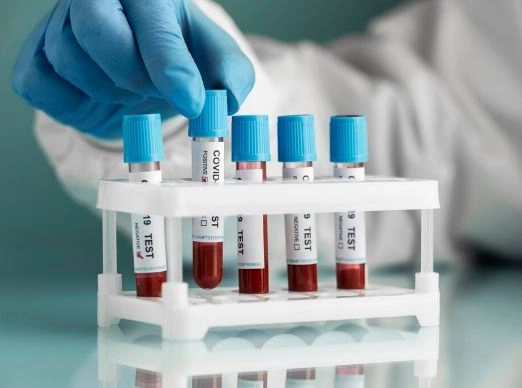
A blood phosphorus test is one of the important medical investigations that helps doctors measure the level of phosphorus in the body. Phosphorus is an essential mineral for maintaining healthy bones and teeth, and it also plays a major role in cell and tissue function.Although this test may seem simple, its results provide valuable information that helps diagnose many health conditions, such as kidney problems, bone disorders, and other diseases. In this Dalili Medical article, we will explore everything you need to know about the blood phosphorus test—from the purpose of the examination to how to interpret the results and the reasons behind changes in phosphorus levels.
A phosphorus test is a blood test used to measure the level of phosphorus in the blood. Phosphorus is an essential mineral for overall health. It plays a vital role in maintaining healthy bones and teeth, as well as supporting normal cell and tissue functions.
Abnormally high or low phosphorus levels may indicate health problems such as kidney disease, bone disorders, or malnutrition.
The phosphorus test is a simple blood test. A healthcare provider draws a blood sample from a vein, usually in the arm. The sample is then sent to a laboratory to measure the phosphorus level.
Before the test, you may be asked to fast for 8 to 12 hours to ensure accurate results. Be sure to inform your healthcare provider about any medications you are taking or any medical conditions that could affect the test results.
High phosphorus levels may indicate:
Kidney disease
Hyperparathyroidism
Excess vitamin D
Low phosphorus levels may be associated with:
Malnutrition
Alcohol abuse
Metabolic disorders
If the results are abnormal, your doctor may request additional tests to determine the underlying cause.
The phosphorus test is generally not painful, as it involves a routine blood draw. You may feel mild discomfort or notice a small bruise at the needle site, but the procedure is quick and well tolerated by most people.
Results are usually available within a few hours to two days, depending on the laboratory. Your doctor will discuss the results with you once they are ready.
You may be asked to fast for several hours before the test. Drinking water is usually allowed. Avoid foods, caffeine, or alcohol, as these may affect test results.
It is important to inform your healthcare provider about all medications you are taking. Some medications can affect phosphorus levels, and your doctor may advise adjusting or temporarily stopping certain drugs—especially those containing phosphorus or blood thinners such as aspirin.
Yes. The kidneys regulate phosphorus levels in the body. Abnormal phosphorus levels may indicate impaired kidney function, which is why this test is often part of kidney disease evaluation.
Normal blood phosphorus levels typically range from 2.5 to 4.5 mg/dL (or 0.81 to 1.45 mmol/L). These values may vary slightly between laboratories and can differ based on age or health status.
A blood phosphorus test is a simple procedure used to evaluate bone health, kidney function, the nervous system, and certain metabolic disorders.
Medical consultation: Inform your doctor about your medical history and medications.
Fasting: You may be asked to fast for 8–12 hours, though fasting is not always required.
Clothing: Wear comfortable clothing that allows easy access to your arm.
Blood sample: Blood is drawn from a vein in the arm using a sterile needle. You may feel a brief pinch or pressure.
Duration: The procedure usually takes 5–10 minutes.
Recovery: No special rest is needed. Sit briefly if you feel dizzy.
Daily activities: You can resume normal activities unless advised otherwise.
The sample is analyzed in a lab, and results are typically available within 1–3 days.
Doctors may request this test for several reasons, including:
Acute or chronic kidney failure
Monitoring kidney function and waste regulation
Osteoporosis
Rickets or osteomalacia
Phosphorus and calcium work together to maintain bone health, so this test helps assess calcium-related disorders.
Hyperparathyroidism can alter phosphorus levels
High phosphorus (hyperphosphatemia)
Low phosphorus (hypophosphatemia)
Exposure to phosphorus-containing chemicals, such as certain pesticides.
Chemotherapy
Leukemia treatment
Intestinal malabsorption conditions that affect phosphorus absorption
A poor or unbalanced diet lacking phosphorus-rich foods such as meat and fish can lead to low phosphorus levels.
Some kidney disorders can cause excessive loss of phosphorus through the urine, leading to low blood phosphorus levels.
Vitamin D deficiency reduces the body’s ability to absorb phosphorus from the intestines, which can result in low blood phosphorus levels.
High blood sugar levels may increase phosphorus excretion by the kidneys, causing a decrease in blood phosphorus.
Certain medications, such as diuretics or chemotherapy drugs, can lead to reduced phosphorus levels in the blood.
People with chronic alcohol abuse often have impaired intestinal absorption of phosphorus, which may cause phosphorus deficiency.
High insulin levels can drive phosphorus from the blood into the cells, resulting in low serum phosphorus levels.
In cases of shock or major injury, phosphorus may rapidly shift into cells, leading to low blood phosphorus levels.
Endocrine disorders, such as hypothyroidism, can contribute to decreased phosphorus levels in the blood.
In metabolic acidosis, excess acid in the blood can cause phosphorus to shift into tissues and cells, lowering its level in the bloodstream.
A blood phosphorus test is generally safe, but like any blood draw, it may have minor risks:
Bruising or bleeding: Mild bruising or slight bleeding at the needle site may occur. Applying pressure usually helps.
Pain or discomfort: You may feel brief pain or discomfort when the needle is inserted.
Infection: Rare, but possible if proper sterile techniques are not followed.
Dizziness or fainting: Some people may feel lightheaded or faint after blood collection. Lying down briefly usually helps.
Medication interference: Certain medications can affect test results, especially those influencing phosphorus or calcium levels.
Anxiety or stress: Fear or anxiety about blood draws may increase discomfort; talking with the healthcare provider beforehand can help.
A blood phosphorus test measures the level of phosphorus in the body, an essential mineral involved in bone and teeth formation, cellular health, and energy balance. Results are reported in mg/dL or mmol/L.
The normal blood phosphorus range typically is:
2.5–4.5 mg/dL
0.81–1.45 mmol/L
These values may vary slightly depending on the laboratory, age, and health condition.
Elevated phosphorus levels may indicate several medical conditions, including:
Kidney failure: Impaired kidneys cannot eliminate excess phosphorus.
Hyperparathyroidism: Increased parathyroid hormone activity affects phosphorus balance.
Low calcium levels (hypocalcemia): Can lead to higher phosphorus levels.
Excess vitamin D or phosphorus supplements: May cause phosphorus accumulation.
Chronic diseases: Such as certain cardiovascular conditions.
Possible symptoms include:
Skin itching
Joint pain
Bone weakness
Calcium deposits in soft tissues
Low phosphorus levels may be caused by:
Malnutrition
Alcohol abuse
Uncontrolled diabetes, especially diabetic ketoacidosis
Intestinal malabsorption disorders
Hyperventilation
Certain treatments, such as chemotherapy
Possible symptoms include:
Muscle weakness
Severe fatigue
Breathing difficulties
Mental status changes such as irritability or confusion
No treatment is needed, as normal phosphorus levels indicate good mineral balance.
Your doctor will assess the underlying cause based on your symptoms and medical history. Additional tests may be required to confirm the diagnosis and guide treatment.
Reducing intake of phosphorus-rich foods
Using medications that reduce phosphorus absorption
Managing kidney disease if present
Phosphorus supplements if needed
Improving dietary intake with phosphorus-rich foods such as meat, fish, eggs, dairy products, and nuts
Chronic Kidney Disease (CKD)
Damaged kidneys cannot effectively excrete phosphorus, leading to accumulation.
Hyperparathyroidism
Excess parathyroid hormone disrupts calcium and phosphorus balance.
Excess Vitamin D or Phosphorus Supplements
Overuse can raise blood phosphorus levels.
Metabolic Disorders
Certain inherited or acquired metabolic conditions can impair phosphorus regulation.
Low Blood Calcium (Hypocalcemia)
Can indirectly increase phosphorus levels through hormonal changes.
Diuretic Medications
Some diuretics affect mineral balance and may increase phosphorus levels.
Cell Breakdown (Cell Lysis)
Conditions like cancer or tumor lysis syndrome release phosphorus into the bloodstream.
Cardiovascular Diseases
High phosphorus levels have been linked to worsening heart and vascular health.
Insulin Deficiency or Uncontrolled Diabetes
Poor glucose control can disrupt electrolyte balance, including phosphorus.
High-Phosphorus Diet
Excessive intake of foods such as red meat, fish, nuts, and dairy products may contribute to elevated phosphorus levels.