

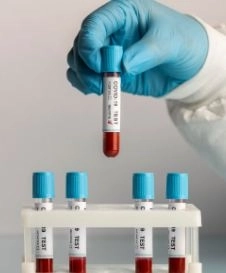
The Very Low-Density Lipoprotein (VLDL) test is an important blood test that helps measure triglyceride levels, which are directly related to heart and blood vessel health. This test is a key tool for assessing health risks associated with atherosclerosis and cardiovascular diseases.In this article from Dalili Medical, we will discuss VLDL test results, how to interpret them, and the health risks associated with high or low levels of this lipoprotein. If you are concerned about your test results or want to understand how this test can affect your health, keep reading to learn more!
The VLDL test measures the level of very low-density lipoprotein in the blood. VLDL is a type of fat that the liver carries to tissues through the bloodstream. It contains triglycerides, which provide energy for the body. However, high levels of VLDL can lead to serious health problems, such as atherosclerosis and heart disease.
The normal VLDL level in the blood typically ranges from 2 to 30 mg/dL. This range may vary based on age, sex, and other factors. Elevated VLDL levels may indicate health issues such as high triglycerides or an increased risk of heart disease.
High VLDL levels in the blood may lead to:
Atherosclerosis: Fat buildup in blood vessels can cause narrowing.
Increased risk of heart disease: Fat accumulation in the arteries can trigger coronary artery disease.
High blood pressure: VLDL-related arterial stiffness may contribute to hypertension.
To reduce VLDL levels, consider these approaches:
Improve your diet: Limit saturated fats from fatty meats and fried foods.
Exercise regularly: Physical activity helps regulate blood fat levels.
Medication: In some cases, doctors may prescribe triglyceride-lowering medications or cholesterol-lowering drugs.
No, VLDL testing cannot be done at home. It requires specialized laboratory techniques such as high-performance liquid chromatography (HPLC) or direct chemical analysis, and must be performed in a lab or medical center.
Yes, VLDL is related to cholesterol. It is a type of lipoprotein that carries triglycerides in the blood. While different from LDL (“bad” cholesterol) and HDL (“good” cholesterol), VLDL can influence overall cholesterol levels in the body.
If you take medications such as statins or triglyceride-lowering drugs, a VLDL test may be necessary to monitor how the medication affects blood fat levels and ensure VLDL remains within a healthy range.
Lifestyle has a significant impact on VLDL levels. Small changes can improve results:
Diet: Reduce saturated fats and high-sugar foods.
Exercise: Regular physical activity improves fat metabolism.
Avoid smoking and limit alcohol: These habits support healthier lipid levels.
Both LDL (“bad” cholesterol) and VLDL can contribute to plaque buildup in arteries. They are equally capable of promoting atherosclerosis, increasing the risk of heart disease.
The lipid panel is a comprehensive test that measures five types of fats in the body:
HDL (Good Cholesterol): Helps remove bad cholesterol from the blood.
LDL (Bad Cholesterol): Major contributor to atherosclerosis.
Triglycerides (TGs): Main stored fat in the body.
VLDL: Carries triglycerides in the blood.
Total Cholesterol: Sum of all cholesterol types.
Traditional Lipid Test (Calculated from Triglycerides)
Method: VLDL is estimated using the formula:
VLDL=Triglycerides5 ext{VLDL} = frac{ ext{Triglycerides}}{5}VLDL=5TriglyceridesUse: Common in routine lipid testing; gives an approximate VLDL value.
Advantages: Simple and inexpensive; no specialized equipment needed.
Disadvantages: Less accurate for very high or very low triglyceride levels; not a direct measurement.
High-Performance Liquid Chromatography (HPLC)
Method: Separates lipoproteins, including VLDL, using advanced chromatography.
Use: Primarily for research or specialized lab analysis.
Advantages: Highly accurate; measures lipoproteins individually.
Disadvantages: Expensive, requires specialized equipment, longer processing time.
Direct Chemical Analysis
Method: Measures VLDL directly using chemical reactions and light absorption.
Use: Available in specialized labs with advanced technology.
Advantages: Accurate and quick; measures VLDL directly.
Disadvantages: Requires specialized equipment and can be costly.
Spectrophotometric Analysis
Method: Estimates VLDL indirectly by measuring light absorption of the blood sample.
Use: Some labs use this method as a simple alternative.
Advantages: Easy to use; no complex setup.
Disadvantages: Less accurate than HPLC; may be affected by interference.
Routine Lipid Testing
Method: VLDL may be included in a routine lipid panel with total cholesterol, HDL, LDL, and triglycerides.
Use: Standard check for blood fat levels.
Advantages: Simple and quick.
Disadvantages: May not be accurate in cases of extreme triglyceride levels.
Normal VLDL: 2–30 mg/dL.
High VLDL: Indicates increased risk of heart and vascular diseases due to fat accumulation in arteries. Common causes include obesity, diabetes, high-fat diet, liver or kidney issues.
Low VLDL: Often reflects lower triglycerides or improved diet and lifestyle, generally a positive indicator for heart health.
Preparation:
Fasting: Usually 12 hours to ensure accurate results. Only water is allowed.
Medication disclosure: Inform your doctor of all medications or supplements.
Blood Sample Collection:
Blood is drawn from a vein in the arm using a sterile needle.
The sample is sent to a lab for analysis using HPLC, direct chemical analysis, or routine lipid panel.
Analyzing Results:
Compare VLDL levels to the normal range (2–30 mg/dL).
Elevated levels indicate higher cardiovascular risk.
Follow-Up and Treatment:
Lifestyle changes: Reduce saturated fats, exercise regularly, maintain healthy weight.
Medications: Statins or triglyceride-lowering drugs may be prescribed if necessary.
Obesity: Excess body fat increases VLDL production.
High Triglycerides: Persistent high triglycerides directly raise VLDL levels.
People with type 2 diabetes often have high triglyceride levels, which in turn increase VLDL levels.
Insulin resistance and elevated blood sugar contribute to higher triglyceride production, leading to elevated VLDL.
A diet high in saturated fats and refined carbohydrates can raise VLDL levels.
Eating fatty foods such as fatty meats, hydrogenated oils, and fast food increases blood fat levels and VLDL.
Patients with liver diseases, such as cirrhosis or hepatitis, may have elevated VLDL levels.
If liver function is impaired, the liver cannot properly process fats, leading to increased VLDL production.
Excessive alcohol intake causes fat accumulation in the liver, increasing VLDL production.
People who consume large amounts of alcohol often have high triglycerides, contributing to elevated VLDL.
Sedentary behavior or prolonged sitting contributes to fat accumulation and reduces the body’s ability to burn fat.
Regular physical activity helps lower triglycerides and VLDL levels.
Some individuals have genetic predispositions that increase VLDL production.
Familial hyperlipidemia is an inherited condition that causes elevated blood fats, including VLDL.
Some medications can indirectly raise VLDL by increasing triglycerides, including:
Diuretics (e.g., furosemide)
Antidepressants such as SSRIs
Corticosteroids like prednisone
Drugs affecting fat metabolism, such as some antifungals
In some cases, VLDL levels temporarily increase during pregnancy due to hormonal changes affecting fat metabolism.
Hormonal changes may increase triglyceride production, raising VLDL levels.
Hypothyroidism (low thyroid function) can lead to elevated VLDL levels.
The thyroid regulates many metabolic processes, and low activity can cause fat accumulation in the blood, increasing VLDL.
Blood Draw Risks:
Mild pain or discomfort at the needle site
Small bruising at the puncture site
Minor bleeding (rare)
Slight risk of infection if proper hygiene isn’t followed
Dizziness or Fainting:
Some people may feel dizzy or faint after the blood draw, especially if anxious. This is usually temporary and can be prevented by sitting or relaxing briefly after the test.
Inaccurate Results Due to External Factors:
Medications, diet, or health conditions may affect test results. For example, drugs that affect fat metabolism may cause higher or lower than normal readings.
Interference with Other Tests:
VLDL testing may interfere with other tests done simultaneously, affecting result accuracy or interpretation.
Anxiety About Results:
High VLDL results can cause concern about potential health risks such as heart disease or stroke. It’s important to interpret results with a doctor to reduce anxiety.
Good Nutrition and Healthy Diet:
Diets rich in unsaturated fats (olive oil, nuts, avocado) and fiber from fruits and vegetables can reduce triglycerides and VLDL.
Physical Activity and Exercise:
Regular exercise lowers triglycerides, which helps reduce VLDL. Exercise improves fat metabolism and reduces fat accumulation in the liver and arteries.
Weight Loss:
Losing excess weight is a key factor in reducing VLDL, especially for overweight individuals. Lower triglycerides reduce VLDL production.
Certain Medical Conditions:
Low triglycerides typically lead to low VLDL.
Hypothyroidism may also reduce VLDL.
Some conditions that reduce body fat can also lower VLDL levels.
Medication Use:
Lipid-lowering drugs such as statins may reduce VLDL.
Drugs like antifungals or SSRIs may also lower VLDL.
Genetic Factors:
Some individuals are genetically predisposed to produce more or less VLDL depending on fat metabolism.
Other Health Conditions:
Severe illness, acute poisoning, or a weakened immune system (or recovery after major surgery) can reduce VLDL.
Hormonal Changes:
Hormonal variations, such as during pregnancy or low sex hormones, may decrease VLDL.
Overall Low Blood Fat Levels:
Certain health or dietary conditions may reduce all blood fats, including VLDL.