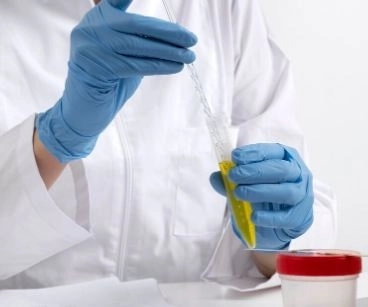
The paracetamol level test is a clinical biochemical examination primarily used to detect paracetamol poisoning or overdose, which can potentially cause liver damage. If you have taken a large amount of paracetamol or suspect poisoning, this test can make a crucial difference in accurately diagnosing the condition.In this article from Dalily Medical, we will explore how the test is performed, its types, and how to correctly interpret the results to ensure timely and effective medical intervention.
What is the Paracetamol Level Test?
The paracetamol level test is a medical examination used to measure the concentration of paracetamol in the blood. It is mainly performed to diagnose paracetamol poisoning, especially in cases of overdose or acute toxicity. This test helps doctors determine the most appropriate treatment, such as N-acetylcysteine (NAC), to manage poisoning.
Why is the Paracetamol Level Test Performed?
This test is done when there is suspected paracetamol poisoning or if the recommended dose has been exceeded. It may also be used to monitor the patient after treatment to ensure that paracetamol levels have safely decreased.
When Should the Test Be Performed After an Overdose?
The test is best performed 4 to 24 hours after an overdose to accurately determine the paracetamol level in the blood. Results may be less accurate if more than 24 hours have passed.
How Long Does It Take to Get Results?
The time depends on the technique used. Results typically appear in 2–3 hours if rapid methods are used, while other techniques may take longer.
Can the Test Be Done at Home?
No, the paracetamol level test cannot be performed at home. It must be conducted in a medical laboratory or hospital using precise laboratory techniques.
Does Regular Paracetamol Use Affect Test Results?
If you take paracetamol regularly for pain or fever, it generally does not significantly affect test results. However, repeated overdoses can lead to accumulation and potential toxicity over time.
Suspected Paracetamol Overdose
Acute toxicity: Paracetamol is commonly used to relieve pain and reduce fever, but an overdose can be toxic and damage the liver. The test determines blood levels to confirm poisoning.
Symptoms: May include nausea, vomiting, abdominal pain, fatigue, or liver failure in severe cases.
Monitoring Treatment After Overdose
Treatment monitoring: If N-acetylcysteine (NAC) is used, the test helps assess its effectiveness.
Progress tracking: Ensures paracetamol levels decrease safely and liver function returns to normal.
Evaluating Unclear Cases of Toxicity
Helps determine if paracetamol is the cause of symptoms such as abdominal pain or nausea.
Determining Toxic Dose
Accidental or intentional overdose: The test assesses risk based on paracetamol blood levels.
Timing: Usually performed 4–24 hours after overdose for accuracy.
Assessing Risk of Liver Damage
Hepatotoxicity: High doses can cause liver toxicity and acute liver failure.
Prevention: Guides timely administration of NAC or other interventions.
Evaluating Poisoning Risk in Children
Children are more vulnerable to overdose. The test helps determine the level of risk.
Monitoring Paracetamol Use in High-Risk Patients
Liver disease: Patients with conditions like cirrhosis may require closer monitoring.
Drug interactions: Medications affecting liver enzymes may alter paracetamol metabolism.
Interpreting Results Using Paracetamol Level Charts
Physicians use charts to estimate toxicity risk based on blood levels and time since ingestion, guiding treatment decisions.
During Pregnancy and Lactation
Occasionally performed to assess exposure risk in suspected overdose cases.
High-Performance Liquid Chromatography (HPLC)
Most accurate technique: Separates blood components and measures paracetamol via light absorption at a specific wavelength.
Advantages: Highly accurate, detects low levels, useful in severe poisoning.
Disadvantages: Requires specialized equipment and skilled technicians; may take longer.
Immunoassay Test
Common and rapid: Measures paracetamol via antibody interactions.
Advantages: Fast results, relatively simple equipment.
Disadvantages: Less accurate than HPLC; can be affected by interfering substances.
UV Spectrophotometry
Simple method: Measures paracetamol absorption of UV light at a specific wavelength.
Advantages: Simple, quick, suitable for less-equipped labs.
Disadvantages: Less precise; cannot detect very low levels.
Gas Chromatography (GC)
Advanced method: Used in severe poisoning cases; separates compounds by vaporizing the sample and passing it through a specialized column.
5. Traditional Clinical Chemistry Tests
Method: Quick and simple; use color reactions to measure paracetamol levels.
Mechanism: A chemical reaction produces a color change, measured using a spectrophotometer.
Advantages: Fast, simple, low-cost.
Disadvantages: Less accurate than methods like HPLC; other substances in the blood may interfere with the test.
6. Quantitative Paracetamol Testing Using Test Strips
Method: A new and easy approach using chemical test strips.
Mechanism: The sample is applied to the strip, and the result appears based on the chemical reaction with paracetamol.
Advantages: Quick, simple, suitable for emergency use.
Disadvantages: Less accurate compared to laboratory-based methods.
1. Preparations for the Test
No special preparation: Generally, no complex preparation is required, but inform your doctor or lab technician about any medications or supplements, as they may affect results.
Timing of the test: Ideally, the test is performed 4–24 hours after taking paracetamol, depending on the situation.
Fasting: Sometimes, you may be asked to avoid food or drink for 8–12 hours, though this is not always necessary.
2. Conducting the Test
Blood sample collection: A small needle is used to draw blood from a vein in your arm.
Multiple samples: In cases of poisoning, several blood samples may be taken over time to monitor paracetamol levels.
Timing of sampling: Samples should be collected at specific times after ingestion, usually between 4–24 hours, for accurate results.
3. Techniques Used
High-Performance Liquid Chromatography (HPLC): Most accurate method.
UV or Infrared Spectroscopy: Measures paracetamol concentration based on light absorption.
Immunoassays: Use antibodies to measure paracetamol levels in blood.
4. Interpreting Results
Normal results: After a therapeutic dose (500–1000 mg), paracetamol levels are usually low.
Elevated results (paracetamol poisoning): Levels of 150–400 µg/mL may indicate overdose and require urgent treatment.
Paracetamol level charts: Doctors use charts correlating blood levels and time since ingestion to determine severity and guide treatment.
5. Managing Elevated Levels
Immediate treatment: May involve N-acetylcysteine (NAC).
Severe cases: Intensive care may be required.
6. Follow-Up After the Test
Doctors may request periodic liver function tests to monitor recovery.
Repeat paracetamol level tests may be performed to ensure levels return to normal.
7. Side Effects of the Test
Mild pain or bruising at the puncture site; generally no serious side effects.
8. Time to Get Results
Rapid tests: 2–3 hours for HPLC or immunoassays.
Complex methods: 24–48 hours may be needed.
1. Timing
After an overdose: 4–24 hours post-ingestion.
Acute poisoning: Multiple samples may be needed over several hours.
2. Patient Preparation
Stop other medications affecting liver metabolism if advised.
Fasting may be required in some cases.
Inform the doctor about liver or kidney disease and medications that affect drug metabolism.
3. Informing the Doctor About Paracetamol Use
Dose and timing are critical for accurate interpretation.
4. Checking for Poisoning Symptoms
Nausea, vomiting, abdominal pain, fatigue, pale or yellow skin.
These symptoms support the decision to perform the test.
5. Ensuring Proper Lab Equipment
Advanced techniques (HPLC, immunoassays) and accredited labs ensure accuracy.
6. Follow-Up With Doctor
Review results to determine if treatment like NAC is necessary.
Repeat testing may be required.
7. Emergency Situations
Test should be performed immediately after suspected overdose.
Prompt treatment minimizes liver damage; ICU care may be required in severe cases.
8. Avoid Random Testing
Only performed when medically indicated.
9. Multiple Sampling if Needed
In poisoning cases, repeated sampling may be necessary to monitor paracetamol levels and treatment effectiveness.
1. Normal Levels
Typical after therapeutic doses (500–1000 mg).
Range: ~0–20 µg/mL (may vary by lab).
Interpretation: No poisoning; no intervention needed.
2. Elevated Levels
Levels 150–400 µg/mL indicate potential liver risk; urgent intervention required.
Timing matters: Peak levels usually 1–4 hours post-overdose; decline may occur after 12–24 hours if treated promptly.
3. Using Paracetamol Level Charts
Charts consider blood level and time since ingestion.
Guide the need for NAC treatment.
4. Late Test Interpretation
Persistent high levels after 12–24 hours indicate severe poisoning, with risk of acute liver failure.
May require dialysis or liver transplant in extreme cases.
5. Very High Levels (Severe Poisoning)
400 µg/mL indicates acute toxicity and high liver risk.
Immediate NAC treatment is recommended.
6. Very Low Levels
May indicate sub-toxic dose, effective early treatment, or metabolism over time.
7. Additional Notes
Repeat testing may be required to monitor progression.
Hormones like prolactin may sometimes affect measurements.
Drugs affecting liver metabolism
Antifungals (Azoles): Itraconazole, Fluconazole → inhibit CYP450 enzymes → increase paracetamol levels.
Anticonvulsants: Phenytoin, Carbamazepine → induce liver metabolism → lower paracetamol levels.
Antibiotics
Rifampin → induces liver enzymes → may reduce paracetamol levels.
Others (Methenamic acid, Ceftriaxone) → may alter metabolism.
Medications containing alcohol
May affect liver function, altering paracetamol blood levels.
Antidepressants
SSRIs (Fluoxetine, Sertraline) → affect CYP450 → may increase paracetamol levels.
MAOIs (Phenelzine) → may interfere with metabolism and prolactin levels.
Anticoagulants
Warfarin → may alter paracetamol metabolism → increase blood levels.
Antiviral drugs
Nelfinavir, Lopinavir → may alter metabolism and levels.
Herbal supplements
St. John’s Wort, ginseng, fenugreek → can induce CYP3A4 → reduce paracetamol levels.
Some vitamins (C, B) may also affect metabolism.
Diuretics
Furosemide → may alter fluid balance → affect paracetamol levels, especially in overdose.
Drugs enhancing paracetamol effect
Corticosteroids (Prednisone, Dexamethasone) → may increase paracetamol effect and blood levels.
How These Drugs Affect Test Results
Increase paracetamol: Drugs inhibiting liver enzymes prolong blood levels.
Decrease paracetamol: Drugs inducing liver metabolism or clearance lower blood levels.
Tips Before Testing
Inform your doctor/lab about all medications, supplements, and herbs.
Adjust or postpone medications affecting liver or containing alcohol if instructed, to ensure accurate results.