In today’s world, paying attention to blood health has become essential for maintaining daily energy and vitality. The Haptoglobin (HPT) test is an important blood test that helps doctors detect anemia, hemolysis (red blood cell breakdown), liver diseases, and hidden bleeding. This test measures the level of the protein responsible for carrying free hemoglobin in the blood, providing an accurate diagnosis of the individual's health condition. we will review how the Haptoglobin test is performed step by step, how to prepare for it, how to interpret the results in detail, and important tips after the test for both men, women, and children. You will find a comprehensive guide that covers everything you need to understand about this vital medical test and how to use its results to improve your health.
Haptoglobin is a protein produced by the liver, and its primary function is to bind free hemoglobin in the blood.
When red blood cells break down, free hemoglobin is released into the bloodstream, and haptoglobin helps transport it to the liver for processing.
This protein is very important because it prevents iron loss through urine and protects the kidneys from damage caused by free hemoglobin.
Therefore, measuring the haptoglobin level in the blood is a crucial indicator of red blood cell health and liver function.
A doctor typically requests this test in the following situations:
Diagnosing anemia or hemolysis (red blood cell breakdown).
Detecting internal or external bleeding.
Monitoring chronic liver or kidney diseases.
Monitoring the effects of certain medications or after a blood transfusion.
In most cases, fasting is not required.
However, if it's part of a comprehensive blood test or tests like liver function, the doctor may ask you to fast for 6–8 hours.
Yes, some medications and supplements can affect the results, such as:
Steroids
Anti-inflammatory drugs
Medications that cause hemolysis
It is important to inform your doctor about all medications and supplements you are taking before the test.
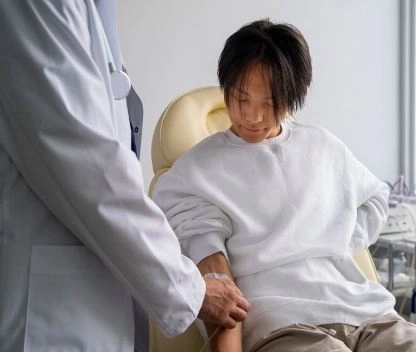
Blood is typically drawn from a vein in your arm, usually at the elbow.
A small needle and blood collection device are used.
The procedure is quick, usually taking just 1-2 minutes.
Afterward, you may notice a small bruise at the injection site, which is normal.
Low Results: This may indicate anemia, internal or external bleeding, or hemolysis (red blood cell breakdown).
High Results: This is often due to inflammation or chronic diseases. It can also appear after treating anemia or a blood transfusion.
Newborn Infants: They tend to have higher haptoglobin levels compared to older children.
Pregnant Women: Their haptoglobin levels may be lower due to increased blood volume during pregnancy.
No, it is just a small pinprick in the arm.
Sometimes a small bruise might appear after blood collection, but this is normal and will disappear within a few days.
| Feature | Hemoglobin (Hb) | Haptoglobin (HPT) |
|---|---|---|
| What it measures | The amount of hemoglobin in red blood cells | A protein that binds free hemoglobin in the blood |
| Purpose | Diagnosing anemia | Detecting hemolysis or hidden bleeding |
Yes, it is safe for all ages, including infants.
The normal range for infants is typically higher than for older children.
Yes, in some cases of early iron deficiency anemia or chronic anemia, haptoglobin levels might be within the normal range.
Thus, results should be interpreted in conjunction with other tests like CBC (Complete Blood Count) and iron levels.
Typically, results are available within a few hours to one day, depending on the laboratory.
Some larger labs may take longer if the test is part of a comprehensive examination.
Yes, certain factors like:
Stress
Infections
Medications
may cause slight changes. Significant fluctuations are usually linked to an actual health condition.
Severe fatigue or heart palpitations.
Pale skin or lips.
Yellowing of the skin or eyes (jaundice).
Dark or bloody urine.
Yes, doctors use the test to monitor:
Improvement after treatment.
Worsening of the condition or new complications.
The Haptoglobin test plays a crucial role in diagnosing several medical conditions, with some of its key benefits being:
If red blood cells break down faster than usual, haptoglobin levels drop in the blood. This decrease indicates hemolytic anemia, which could be genetic or acquired due to autoimmune diseases or certain medications.
In cases of internal bleeding, such as a stomach ulcer or gastrointestinal bleeding, haptoglobin levels may drop before any visible symptoms appear.
Liver Diseases: Since the liver is the main source of haptoglobin, any issues like cirrhosis or inflammation affect its levels.
Kidney or Heart Diseases: These can indirectly impact blood concentration and alter haptoglobin levels.
Certain medications, such as anti-inflammatory drugs or those causing hemolysis, may change haptoglobin levels. After blood transfusions or anemia treatments, the test helps monitor the body’s response.
Sometimes, it is part of a routine blood test (CBC) to ensure healthy blood and protein levels.
Doctors often recommend the test when symptoms suggest blood problems or anemia, such as:
Severe fatigue or exhaustion.
Pale skin or lips.
Heart palpitations or shortness of breath with mild exertion.
Yellowing of the skin or eyes (jaundice).
Dark or orange-colored urine.
If you experience any of these symptoms, it is important to consult with your doctor and get the test to identify the cause.
Doctors usually request the test in the following situations:
Severe fatigue or weakness.
Pale skin or lips.
Dizziness or lightheadedness.
Shortness of breath with mild exertion.
Yellowing of skin or eyes (jaundice).
Dark or deep orange urine.
Increased heart rate.
Liver or kidney diseases.
Chronic blood disorders like hemolytic anemia.
Blood transfusions.
Major surgeries.
Certain chemotherapy treatments or medications.
Sometimes requested as part of a comprehensive blood test (CBC) to assess overall health.
In most cases, fasting is not required.
If part of a comprehensive blood test, your doctor may request fasting for 8 hours.
Inform your doctor about any medications or supplements, as these can affect the results.
A blood sample is drawn from a vein in your arm, typically at the elbow.
A small needle and blood collection device are used, and the sample is placed into a lab-specific tube.
The process is quick, taking just 1–2 minutes.
The laboratory measures the level of haptoglobin protein in the blood.
The result may be available on the same day or within 24 hours depending on the laboratory.
The result is usually given in mg/dL.
The doctor is responsible for determining whether the result is normal, low, or high based on symptoms and overall health condition.
The haptoglobin test is essential for diagnosing and monitoring various medical conditions:
A low haptoglobin level indicates hemolytic anemia, where red blood cells break down faster than normal. Causes can include genetic factors, autoimmune diseases, or certain medications.
A low haptoglobin level may indicate internal bleeding, such as a stomach ulcer or gastrointestinal bleeding, even before symptoms appear.
Liver Diseases: Liver issues like cirrhosis or inflammation can decrease haptoglobin production.
Kidney or Heart Diseases: These affect blood concentration and can cause changes in haptoglobin levels.
Certain drugs, such as anti-inflammatory drugs or hemolytic medications, may alter haptoglobin levels. After blood transfusions or treatment for anemia, this test is used to monitor the body's response.
Sometimes, it is included in a comprehensive blood test (CBC) to monitor overall blood health and protein levels.
Severe fatigue and exhaustion
Pale skin or lips
Heart palpitations or shortness of breath with mild exertion
Yellowing of the skin or eyes (jaundice)
Dark or orange-colored urine
The doctor may request the test under the following circumstances:
Severe fatigue, general weakness, dizziness, or shortness of breath.
Yellowing of the skin or eyes (jaundice)
Dark or orange-colored urine
Increased heart rate
Liver or kidney diseases
Chronic blood disorders like hemolytic anemia
Blood transfusions
Major surgeries
Certain chemotherapy treatments or medications
Sometimes requested as part of a comprehensive blood test (CBC) to monitor overall health.
Inform the doctor about any medications or supplements you are taking, as they may affect the results.
Fasting is generally not required unless it is part of a comprehensive blood test.
A blood sample is drawn from a vein in your arm, usually at the elbow.
A small needle and blood collection device are used, and the sample is placed into a laboratory tube.
The process is quick, taking just 1–2 minutes.
The laboratory measures the level of haptoglobin in the blood.
The results typically appear within the same day or within 24 hours, depending on the lab.
Apply pressure to the puncture site to prevent bruising.
Drink plenty of water to stay hydrated.
Follow up with your doctor to interpret the results.
| Feature | Haptoglobin (HPT) | Hemoglobin (Hb) |
|---|---|---|
| Function | Measures haptoglobin protein levels in the blood | Measures the amount of hemoglobin inside red blood cells |
| Primary Purpose | Detects hemolysis, hemolytic anemia, liver disease, or internal bleeding | Diagnoses anemia, monitors oxygen levels, and evaluates red blood cell health |
| What it Detects | Low → Hemolysis or internal bleeding | Low → Anemia (iron or vitamin deficiency) |
| Commonly Combined With | CBC, LDH, bilirubin | HPT, CBC, iron and vitamin tests |
| Normal Range for Adults | Men: 13.5–17.5 g/dL, Women: 12.0–15.5 g/dL | Men: 13.5–17.5 g/dL, Women: 12.0–15.5 g/dL |
| Drug Effect | Sensitive to some medications | Less affected, but anemia treatment or blood transfusions may alter results |
| Disease-Related Changes | Decrease with hemolysis, bleeding, liver disease; increase with inflammation or chronic diseases | Decrease with anemia or bleeding; rarely increases, often with dehydration |
| Age Range | All ages | All ages |
| Test Method | Quantitative or qualitative using immunoassays | Direct blood test using CBC or biochemical devices |
Causes:
Hemolysis (red blood cell breakdown)
Internal or external bleeding
Severe liver disease
Medications causing hemolysis
Medical Indicators:
Severe decrease → Acute hemolysis
Moderate decrease with symptoms → Chronic anemia
Causes:
Infections or inflammation
Chronic diseases (liver, heart, some cancers)
After treatment for anemia or blood transfusion
Medical Indicators:
Moderate increase → Usually not concerning
Severe increase → Requires monitoring for infections or chronic diseases
Low Hb + Low HPT → Hemolysis or bleeding
Normal Hb + High HPT → Inflammation or infection
| Age Group | Low HPT Indicates | High HPT Indicates |
|---|---|---|
| Men | Hemolysis, anemia, internal bleeding | Inflammation, chronic diseases |
| Women | Iron deficiency, anemia, menstrual bleeding | Inflammation, chronic infection |
| Children | Iron deficiency, anemia, hemolysis | Inflammation, infection, rare genetic diseases |
| Infants | Higher normal range, iron deficiency, poor nutrition | Inflammation, infection, genetic diseases |
Measures the exact amount of haptoglobin.
Used for diagnosing hemolytic anemia and monitoring treatment.
Measured using immunoassays or biochemical techniques.
Only detects the presence of haptoglobin without measuring the quantity.
Used for rapid detection of significant decreases, often in emergency situations.
Commonly combined with tests like:
Hemoglobin (Hb), CBC, liver enzymes, LDH, and bilirubin
This helps pinpoint the exact cause of low or high haptoglobin levels.
Diagnosing anemia and red blood cell breakdown
Detecting internal or external bleeding
Monitoring chronic diseases (liver, kidney, heart)
Monitoring the effects of medications or treatments
Part of routine blood screenings
Inform your doctor about any medications or supplements.
Avoid smoking and caffeine if instructed by the doctor.
Fasting is generally not required, unless part of a comprehensive test.
Wear short sleeves for easy access to the arm.
Stay relaxed to facilitate the blood collection process.
Apply pressure on the needle site for 1–2 minutes to minimize bruising.
Drink plenty of water to stay hydrated.
Follow up with your doctor for interpretation of results.
Normal Range by Gender and Age
| Group | Normal Haptoglobin Range (g/dL) | Notes |
|---|---|---|
| Adult Men | 13.5 – 17.5 | Low may indicate anemia or hemolysis; high may suggest dehydration or bone marrow issues |
| Adult Women | 12.0 – 15.5 | Low is common due to iron deficiency or menstruation; high is rare |
| Pregnant Women | 11.0 – 12.5 | Lower levels are normal due to increased blood volume during pregnancy |
| Children (6 months – 6 years) | 11.0 – 13.5 | Low may indicate iron deficiency or malnutrition |
| Children (6 – 12 years) | 11.5 – 15.5 | High is rare; low may indicate anemia |
| Adolescents (12 – 18 years) | 12.0 – 16.0 | Varies by gender; girls usually have lower levels than boys |
| Infants (0 – 6 months) | 10.0 – 17.0 | Normal higher levels due to hemoglobin concentration at birth |
Important Notes:
Ranges may slightly vary between laboratories based on equipment and standards.
Results should be interpreted by your doctor considering your symptoms and overall health condition.
| Medication Type | Effect on Haptoglobin |
|---|---|
| Corticosteroids | May increase haptoglobin levels |
| NSAIDs (Non-steroidal Anti-inflammatory Drugs) | May cause slight hemolysis or mild bleeding, altering results |
| Anticoagulants (Warfarin, Heparin) | May cause mild internal bleeding → lower haptoglobin levels |
| Hemolytic Drugs | Certain antibiotics or malaria medications → lower haptoglobin levels |
| Erythropoietin (EPO) | May increase haptoglobin levels |
| Iron Supplements | Usually don't directly affect haptoglobin, but severe iron deficiency may change results after treatment |
Handling the Needle Puncture Site:
Apply pressure for 1–2 minutes to minimize bleeding and bruising.
Use a cold compress if bruising occurs to reduce swelling and pain.
Avoid rubbing or pressing on the area for the first 24 hours.
Monitor for Abnormal Symptoms:
Some people may feel light-headed or dizzy after blood collection, especially children or elderly individuals. Sit or lie down immediately and drink water.
Inform your doctor immediately if you notice:
Excessive bleeding from the needle site
Large swelling or persistent pain
Severe redness or heat at the puncture site (which may indicate infection)
Hydration and Nutrition:
Drink plenty of water post-test.
Eat a light meal if you feel weak or dizzy, especially if you haven’t eaten before the test.
Medication and Supplementation:
Continue taking medications and supplements as prescribed.
Notify your doctor of any changes in medications or supplements before repeating the test.
Results Interpretation:
Wait for your doctor to interpret the results. Don't worry about the numbers alone.
The doctor will interpret them based on your age, gender, symptoms, and other test results like CBC, hemoglobin, bilirubin, and LDH.
Re-testing if Necessary:
Your doctor may request re-testing to track changes, especially if there are chronic conditions or new treatments being administered.
Special Notes for Different Groups:
Pregnant Women: A slight decrease is normal due to increased blood volume, so results should be carefully interpreted.
Children and Infants: The normal range is higher for newborns and varies based on age and months.
Older Adults: Minor changes are often normal with aging but should be interpreted in conjunction with other tests.
General Tips for Rest After the Test:
Avoid strenuous physical activity immediately after blood collection.
Rest if you feel weak before engaging in any activities.
Wear comfortable clothing to avoid putting pressure on the puncture site