

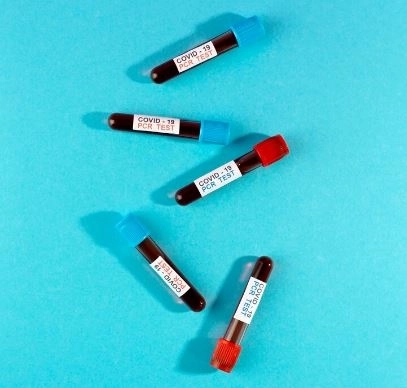
Blood chloride testing is an important analysis that helps doctors assess the body’s electrolyte and fluid balance. Maintaining normal chloride levels is essential for preserving blood acidity (pH), kidney function, and heart and lung health.High or low chloride levels can indicate various health issues, such as dehydration, chronic vomiting, kidney disorders, or adrenal gland imbalances. The test is safe and simple but provides precise information that helps the doctor diagnose the condition and choose the appropriate treatment, we will explore the meanings of high and low chloride levels, how the test is performed, potential risks, and how to interpret the results in a simple and easy-to-understand way, so you can fully grasp all the important details about this medical test.
A blood chloride test measures the level of chloride in your blood, which is an important electrolyte.
Electrolytes are minerals that carry an electric charge when dissolved in fluids and help:
Control nerve and muscle function.
Maintain the acid-base balance (pH) of the blood.
Regulate the body’s water balance.
Chloride is often measured along with other electrolytes, such as sodium, potassium, and bicarbonate, to monitor and diagnose health conditions such as:
Kidney diseases
Heart problems or heart attacks
Liver diseases
High blood pressure
To assess the body’s electrolyte balance.
To monitor fluid or blood pH disturbances.
To evaluate conditions affecting the kidneys, heart, lungs, or adrenal glands.
Usually, fasting is not required.
However, if the test is part of other blood tests, the doctor may request fasting depending on the analysis.
A blood sample is drawn from a vein using a sterile needle.
The procedure is quick and takes only a few minutes.
Usually, it is not painful, though you may feel a slight prick when the needle is inserted.
Mild redness or a small bruise may appear at the injection site, which disappears quickly.
Results usually appear within a few hours to one day, depending on the laboratory.
If the test is part of an electrolyte panel, all results may appear together.
Normal blood chloride level: 96–106 mEq/L
Indicates a normal electrolyte balance with no obvious fluid or acid-base problems.
High chloride (hyperchloremia): may indicate dehydration, kidney disease, adrenal gland disorders, or metabolic acidosis.
Low chloride (hypochloremia): may indicate chronic vomiting, diarrhea, metabolic alkalosis, or kidney problems.
The doctor determines the underlying cause and provides the appropriate treatment plan.
Yes, some medications can alter blood chloride levels, including:
Diuretics
Corticosteroids
Antacids
It’s important to inform your doctor about all medications before the test.
The test is generally very safe.
Minor risks include:
Needle prick at the site of blood draw
Temporary bruising
Mild dizziness
The chloride test measures chloride levels in blood or urine to assess:
Fluid balance in the body
Acid-base (pH) status
Overall electrolyte health
It helps in diagnosing and managing conditions such as dehydration, kidney disorders, and respiratory issues.
Individuals with electrolyte imbalances
Patients with chronic kidney or lung diseases
People receiving treatment for dehydration
As part of routine health check-ups in some cases
Usually not required unless specified by the doctor for accurate results.
Fasting avoids interference from food or drink before the test.
Blood: 96–106 mEq/L
24-hour urine: 110–250 mEq/L
Values outside these ranges may indicate potential health issues.
Dehydration or fluid loss
Kidney dysfunction
Excessive salt intake
Metabolic acidosis
High chloride levels require medical evaluation to determine the exact cause.
Chronic vomiting
Addison’s disease
Heart failure
Use of diuretics
The underlying cause should be identified and treated promptly to avoid complications.
Blood test: may cause a slight needle prick
Urine test: painless and straightforward
Follow a balanced diet
Stay well-hydrated
Manage chronic diseases effectively
Monitor electrolyte levels regularly
Below 96 mEq/L may indicate:
Addison’s disease
Lung disorders such as emphysema
Metabolic alkalosis
Low chloride does not always indicate a serious condition; medications or temporary factors can also affect levels.
Above normal may indicate:
Dehydration
Kidney disorders
Cushing’s syndrome
Metabolic acidosis or respiratory alkalosis
High chloride does not always signal a serious condition and may be influenced by medications or temporary situations.
Assess Electrolyte Balance:
Determines if the body maintains proper salt and water balance.
Diagnose Fluid Disorders:
Detects severe dehydration or fluid retention due to kidney, heart, or adrenal problems.
Monitor Acid-Base Balance:
Shows if the blood is acidic or alkaline, important for conditions like metabolic acidosis or alkalosis.
Follow Chronic Diseases:
Kidneys: detect electrolyte absorption or excretion issues
Heart and lungs: evaluate impact of chronic diseases on fluid balance
Adrenal glands: detect hormonal disorders affecting salt and fluid balance
Part of Routine Tests:
Included in an electrolyte panel to evaluate overall health, kidney, heart, and lung function.
Guide Treatment Decisions:
Helps the doctor determine treatment, adjust fluids and salts, and monitor response to therapy.
The test helps determine whether the body maintains proper salt and water balance.
Low or high chloride levels may indicate problems with the kidneys, adrenal glands, or intestines.
Chloride is often measured alongside sodium and potassium to evaluate overall electrolyte health and organ function.
Low chloride may occur due to:
Persistent vomiting
Severe fluid loss (diarrhea or burns)
Certain kidney diseases
High chloride may occur due to:
Severe dehydration
Medications such as diuretics
Kidney or adrenal gland disorders
Chloride levels help assess whether the blood is acidic or alkaline.
Important conditions include:
Metabolic acidosis: in patients with diabetes or kidney failure
Metabolic alkalosis: due to salt loss or chronic vomiting
Kidneys: Detect problems with electrolyte absorption or excretion.
Heart: Understand how heart problems affect fluid balance.
Lungs: Chronic respiratory disorders can affect blood pH.
Adrenal glands: Chloride disturbances help diagnose hormonal issues affecting salt and fluid balance.
Often included in a comprehensive blood chemistry panel (Electrolyte Panel).
Helps doctors get a complete picture of kidney, heart, and lung function.
Usually ranges between 98–107 mEq/L.
Values below or above this range may indicate fluid imbalance or other health issues.
Sit comfortably in a chair.
Expose the arm or hand to access a vein.
Sometimes a tourniquet is applied to make veins more visible.
Clean the injection site with alcohol or an antiseptic solution to reduce infection risk.
Insert a small needle into a vein (usually in the arm or hand).
Draw a small amount of blood into a test tube.
The procedure is quick, usually 1–2 minutes.
You may feel a prick or slight pain.
Some people feel pressure or a slight sting during blood draw.
Sensation disappears immediately after removing the needle.
Remove the needle and press on the site to reduce bleeding.
A small bruise or temporary redness may appear.
You can return to normal activities immediately.
Relax and take deep breaths to minimize tension or dizziness.
Drink water before and after the test to make blood draw easier and avoid dehydration.
If you fear needles, inform the staff so they can be gentle.
Range: 98–107 mEq/L
Interpretation:
Electrolyte balance is maintained.
Fluid and blood pH are within normal limits.
No treatment needed if overall health is good.
Chloride level: >107 mEq/L
Possible Causes:
Dehydration from vomiting, diarrhea, or fluid loss
Certain medications (diuretics, salt-containing drugs)
Kidney or adrenal disorders
Conditions causing metabolic acidosis
Possible Symptoms:
Excessive thirst
Mental confusion
Muscle weakness
High blood pressure
Action:
Follow up with a doctor
Treat the underlying cause
Adjust fluids and electrolytes
Chloride level: <98 mEq/L
Possible Causes:
Chronic vomiting or severe diarrhea
Excessive antacid use
Kidney or adrenal disorders
Metabolic alkalosis
Possible Symptoms:
Muscle weakness
Fatigue
Cramps
Sometimes breathing difficulties
Action:
Identify and treat the underlying cause
Adjust fluids and salts as advised by a doctor
Certain medications or supplements may alter chloride levels, giving inaccurate results.
In such cases, the doctor may request a repeat test after a period without the medication.
Routine Serum Chloride Test
Simple blood test measuring chloride in serum.
Used to evaluate electrolyte balance, blood pH, and body fluids.
Often performed with sodium, potassium, and bicarbonate as part of an electrolyte panel.
Electrolyte Panel
Measures chloride together with sodium, potassium, and bicarbonate.
Provides a comprehensive view of salt, fluid, and pH balance.
Useful for detecting dehydration, kidney, heart, lung, or adrenal disorders.
Arterial Blood Gas (ABG) Chloride Test
Measures chloride during arterial blood gas analysis.
Evaluates blood pH and acid-base balance in critical patients such as those with kidney failure or lung disease.
Usually performed in hospitals or intensive care units.
Special Chloride Tests
Used in rare cases to detect genetic disorders or specific conditions affecting chloride secretion.
Examples: Bartter syndrome, Gitelman syndrome, or kidney chloride/phosphate secretion disorders.
Mild Pain or Discomfort
Slight prick or pressure during blood draw.
Bruising or Minor Bleeding
Small bruise or temporary redness at the injection site, usually resolving in a few days.
Dizziness or Fainting
Some people, especially those afraid of needles, may feel lightheaded.
Sit during the test and drink water before and after to prevent this.
Local Irritation or Infection (Rare)
Very small risk if tools are not completely sterile.
Extremely Rare Risks
Patients with clotting disorders or rare vascular problems may have more bleeding.
Inform the doctor beforehand for precautions.
Ensure tools are sterile and properly prepared.
Sit and relax during the blood draw.
Apply pressure to the injection site afterward.
Inform the doctor or nurse about medications or health issues affecting test results.
Normal Chloride Level: 98–107 mEq/L
Indicates healthy electrolyte balance and fluid/pH stability.
Hyperchloremia (>107 mEq/L):
Causes: dehydration, medications, kidney/adrenal disorders, metabolic acidosis
Symptoms: confusion, muscle weakness, thirst, high blood pressure
Hypochloremia (<98 mEq/L):
Causes: vomiting, diarrhea, antacid overuse, kidney/adrenal disorders, metabolic alkalosis
Symptoms: fatigue, cramps, muscle weakness, occasional breathing issues
Uses:
Assess electrolyte balance
Diagnose fluid disorders
Monitor acid-base balance
Follow chronic diseases
Part of routine health evaluations