
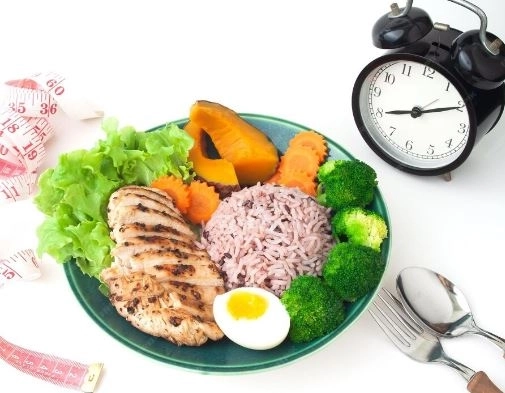
The Dash Diet for Rapid Weight Loss is the ideal solution for those who want to lose weight in a short time. It focuses on reducing carbohydrates while increasing protein and healthy fats intake. In this article, we will explore how this diet works and its importance for losing weight in just one week, along with the pros and cons you might encounter while following it. If you're ready for the challenge, keep reading in Dily Medical to discover a diet plan that will help you achieve your goal quickly and safely.
Yes, the Dukan Diet is safe if followed correctly. However, it requires commitment to the specific phases of the diet. If you have health conditions such as diabetes or heart disease, it is advisable to consult a doctor before starting.
In the first phase (the Attack phase), fruits should be avoided due to their sugar and carbohydrate content. However, in later phases, you can consume low-sugar fruits such as berries or strawberries in moderation.
Meats: Chicken, beef, fish
Eggs
Healthy fats: Olive oil, butter, avocado
Non-starchy vegetables: Such as spinach, zucchini, broccoli
Nuts: In moderation
Yes, you can drink coffee or tea, but without sugar. If you want to sweeten it, you can use stevia as a natural sweetener.
Yes, by reducing carbohydrates and increasing protein and fats, the diet encourages rapid fat burning initially. However, adherence to the phases is essential to achieve sustainable results.
In the first phase of the diet, it is recommended to reduce consumption of dairy products containing added sugars. However, in the advanced phases, you can have low-fat dairy products like Greek yogurt or cottage cheese.
You will likely begin seeing results in the first or second week of following the diet. However, to achieve sustainable, long-term results, you need to stick to the diet for a longer period.
The Dukan Diet is suitable for most adults, but it’s important to consult a doctor before following it for children, teenagers, or the elderly.
Yes, you can exercise regularly. Activities like walking, aerobic exercises, or strength training help speed up fat burning and improve overall health.
If you feel tired or dizzy in the early stages of the diet, it may be due to reduced carbohydrate intake. The situation can be improved by drinking more water and eating meals that contain a moderate amount of carbohydrates.
Yes, you can take supplements like vitamins and minerals if needed. However, it’s advisable to consult a doctor before starting any supplements.
Second Phase (Consolidation Phase): Gradually introduce healthy carbohydrates like whole grains and brown rice.
Third Phase (Stabilization Phase): You can consume carbohydrates more freely, but it’s essential to focus on healthy carbs and avoid overconsumption.
It’s better to shift to a balanced lifestyle after completing the diet. Returning to unhealthy foods like refined carbs and bad fats may lead to weight gain again.
It’s recommended to avoid ready-made and canned meals as they contain added sugars and unhealthy fats. It’s best to prepare your meals using fresh ingredients.
Yes, you can dine out, but you should choose carefully. Opt for grilled meats, vegetables, and salads, and avoid creamy sauces or ingredients that contain added sugars.
The Dukan Diet focuses on reducing carbohydrates and increasing protein and healthy fats, helping the body burn fat instead of carbohydrates. The weight loss rate varies from person to person based on several factors such as current weight, physical activity level, and adherence to the diet.
In the first phase (Attack Phase), you can lose 2-4 kilograms per week, as the body begins to burn fat intensively.
In the second and third phases, when carbohydrates are gradually reintroduced, the weight loss rate slows down to about 0.5-1 kilogram per week.
Pregnant and breastfeeding women
Pregnancy: During pregnancy, the body requires a variety of nutrients to support the growth of the fetus and the health of the mother. A drastic reduction in carbohydrates may lead to deficiencies in essential nutrients like vitamins and fiber.
Breastfeeding: While breastfeeding, the mother’s body needs more calories and nutrients to produce sufficient and nutritious milk. Reducing carbohydrates may affect the quantity and quality of milk.
Children and teenagers (ages 12-18)
Growth and development: Children and teens need a balanced diet that provides sufficient carbohydrates, proteins, fats, and vitamins to support mental and physical growth.
Nutritional needs: The body requires continuous energy from carbohydrates for growth and daily activities, so it is important to avoid extreme carbohydrate reduction.
Type 1 diabetes patients
In type 1 diabetes, the body does not produce insulin naturally, and the patient needs to balance food and medication. Reducing carbohydrates may affect blood sugar stability, leading to hypoglycemia (low blood sugar).
Kidney patients
Increased protein consumption may put extra pressure on the kidneys in cases like kidney failure or kidney stones, making the condition worse. A doctor’s consultation is recommended before following this diet.
Cardiovascular disease patients
Some saturated fats in the Dukan Diet can be harmful and increase LDL (bad cholesterol) levels, putting individuals at a higher risk. Care should be taken to choose healthy fats and avoid unhealthy ones.
People with eating disorders
Individuals with eating disorders such as anorexia nervosa or bulimia may worsen their condition by following a diet that requires excessive food restriction or intense control over food. They need psychological and medical support to improve their relationship with food.
People with deficiencies in certain vitamins or minerals
If you suffer from a deficiency in certain vitamins, such as Vitamin D, iron, or calcium, the Dukan Diet may worsen these deficiencies, especially if supplements or nutrient-rich foods are not consumed.
People with hormonal disorders such as thyroid issues
In cases of hypothyroidism, caution is needed when following any diet that may put pressure on the body, such as drastically reducing carbohydrates, as this could slow down metabolism.
Rapid weight loss
Reducing carbohydrates helps the body enter a state of ketosis, where it burns fat instead of carbohydrates, leading to faster weight loss.
Improved blood sugar levels
The Dukan Diet helps lower blood sugar levels and is especially beneficial for those with insulin resistance or type 2 diabetes.
Improved lipid profile
The Dukan Diet reduces LDL cholesterol and increases HDL cholesterol, improving cardiovascular health and reducing the risk of heart disease.
Increased energy levels
Although the body needs time to adapt to reduced carbohydrates, many people report an increase in energy after the initial adjustment, as the body learns to use fat as its primary energy source.
Improved mental focus
During ketosis, ketones produced from fats are an excellent energy source for the brain, enhancing mental clarity and focus.
Reduced appetite
Proteins and fats keep you feeling full for longer, reducing hunger between meals.
Better heart health
The Dukan Diet reduces blood pressure and triglycerides, which helps improve heart health and prevent heart disease.
Digestive health benefits
Some foods allowed in the diet, like fiber-rich vegetables, help improve bowel movement and digestion.
Overall health improvement
This system helps eliminate excess toxins from the body and reduces inflammation, leading to better overall health and prevention of chronic diseases.
Body fat control
The Dukan Diet reduces visceral fat (fat around internal organs), lowering the risk of diseases like diabetes and heart disease.
Improved skin health
Some people notice improvements in their skin while on the Dukan Diet, as reducing sugar and processed foods can help prevent acne and other skin issues.
Liver health
This system helps improve liver function and prevent fat accumulation in the liver due to its focus on healthy fats and proteins.
Phase One: Attack Phase
Goal: Reduce carbohydrates to the minimum to put the body in ketosis, where it starts burning fat instead of carbohydrates.
Duration: Lasts for approximately two weeks.
Main Components:
Eat only proteins and healthy fats.
Limit carbohydrates to less than 20-30 grams daily.
Allowed Foods:
Meats, fish, eggs, nuts, olives, butter, leafy vegetables.
Forbidden Foods:
All types of carbohydrates like bread, pasta, rice, sweets, high-sugar fruits, potatoes.
Main Benefit: Accelerates fat burning and rapid weight loss due to ketosis.
Phase Two: Consolidation Phase
Goal: Gradually introduce healthy carbohydrates while maintaining fat-burning.
Duration: Lasts until reaching the ideal weight.
Main Components
Healthy foods such as whole grains, starchy vegetables, and low-sugar fruits.
Forbidden Foods:
Simple carbohydrates or refined sugar.
Main Benefit: Maintaining the target weight without reverting to weight gain, while allowing a more varied diet.
Goal: To avoid plateaus in weight loss and maintain the diet’s effectiveness for a longer period by periodically switching between phases.
Method: You can alternate between the first and second phases frequently or return to the first phase for a few days before moving to the second or third phases.
Main Benefit: Keeps the body continuously stimulated to burn fat, enhancing the diet's effectiveness.
Goal: To maintain high energy levels throughout the day and ensure you feel full between meals.
Method: Include snacks between main meals, such as:
Cottage cheese, Greek yogurt, nuts, boiled eggs.
Main Benefit: Ensures longer-lasting satiety and increases energy throughout the day.
| Day | Breakfast | Lunch | Dinner |
|---|---|---|---|
| Saturday | 2 boiled eggs + 1 cucumber | Grilled chicken pieces + Salad | White cheese + 1 tomato |
| Sunday | 2 fried eggs + 10 olives + warm water | Fried meat kofta + Veggie salad (eggplant, zucchini, celery) | White cheese + cucumber + lettuce + cup of tea |
| Monday | 10 olives + 2 boiled eggs + warm water | Grilled steak with mushrooms and fried onions + Green salad | White cheese + 7 slices of salami + lettuce |
| Tuesday | 2 omelette eggs + 10 olives + cup of tea | Grilled chicken + Salad | White cheese + 5 slices of salami + lettuce |
| Wednesday | 2 boiled eggs + 10 olives + warm water | Beef burger + lettuce + green onions | White cheese + Mortadella (luncheon) + lettuce |
| Thursday | 2 boiled eggs + 10 olives + warm water | Tuna + mayonnaise + lettuce | White cheese + Mortadella (luncheon) + lettuce |
| Friday | Cottage cheese + 10 olives | Grilled chicken + Salad + Lettuce | Omelette eggs + Salad (lettuce, white cheese, tomato, onion, mint, olive oil) |
Nutrient Deficiency
Reduced carbohydrates: Significantly reducing carbs can lead to deficiencies in essential vitamins and minerals, such as Vitamin C and fiber.
Fiber deficiency: This may increase the likelihood of constipation due to the reduced intake of fruits and vegetables in the first phase.
Increased Risk of Heart Disease if Unhealthy Fats Are Chosen
Unhealthy fats: Excess consumption of saturated or unhealthy fats (like butter and fatty meats) can increase LDL cholesterol, raising the risk of heart disease.
Unhealthy foods: If healthy fats like olive oil or avocado aren’t focused on, unhealthy fats may accumulate in the body.
Feeling Tired and Weak
Low energy levels: In the initial stages, some may experience fatigue due to reduced carbohydrates.
Adaptation to ketosis: Some may experience symptoms like headaches, nausea, dizziness, and general weakness during the first few days of the diet.
Risk of Overeating After the Diet
After following the Dukan Diet for a while, some may crave high-carb foods like sweets and bread, leading to rapid weight gain once they return to their previous eating habits.
Psychological Issues Related to Food Restrictions
Strict limitations: A restrictive diet may cause boredom or frustration, affecting mental well-being and possibly leading to overeating.
Ongoing food anxiety: Some may experience constant anxiety due to food restrictions, which can make it difficult to maintain a healthy long-term eating pattern.
Kidney and Liver Risks
Kidney stress: If followed for extended periods, the diet could stress the kidneys due to increased protein intake.
Liver stress: Increased protein consumption can put pressure on the liver during metabolism, especially if the person has liver health issues.
Impact on Athletic Performance
Reduced endurance: Reducing carbohydrates can impact performance in high-intensity exercises like running or weightlifting.
Impact on Digestive Health
Constipation: Reducing fiber-rich foods may cause constipation in the initial stages of the diet.
Bloating and gas: Higher protein intake may lead to bloating and gas for some individuals.
Risk of Muscle Loss
Insufficient carbohydrates can lead to muscle loss if not compensated by adequate protein intake, especially if caloric intake is insufficient.
Effects on Hair and Skin Health
Deficiencies in certain vitamins like Vitamin C, biotin, and Vitamin A may lead to hair loss or skin issues.
Control Carbohydrates
Balanced carbohydrates: After reaching the ideal weight, you can introduce moderate amounts of complex carbohydrates such as brown rice, whole grains, sweet potatoes, and low-sugar fruits like berries and apples.
Portion control: It’s important to keep carbohydrate intake moderate. Overeating carbohydrates may lead to weight gain again.
Continue Eating Protein and Healthy Fats
Protein: Consume high-quality proteins like lean meats, fish, eggs, and yogurt. Protein helps build muscle and burn fat.
Healthy fats: Continue eating healthy fats like olive oil, avocado, nuts, and coconut oil. These fats promote satiety and help maintain hormonal balance.
Exercise Regularly
Exercise: You should continue exercising regularly, such as walking, swimming, or strength training (weight lifting). Exercise not only helps maintain weight but also strengthens muscles and increases calorie burning.
Daily activities: Try to increase daily physical activity by walking more or taking the stairs instead of the elevator.
Focus on Small, Balanced Meals
Small meals: It's preferable to have small, balanced meals throughout the day to keep metabolism high. Avoid large meals or eating late at night.
Healthy meals: Ensure that each meal includes leafy vegetables, protein, and healthy fats.
Keep Drinking Water
Drink enough water: Drinking enough water is essential to stay hydrated, support metabolism, and improve digestion. Water also helps control appetite.
Maintain Hormonal Balance
Hormones and metabolism: After reaching your target weight, be cautious of hormonal fluctuations that can affect appetite and fat burning. Try to reduce stress and get enough sleep to maintain hormonal balance.
Monitor Your Weight Regularly
Track your weight: Regularly monitor your weight (e.g., once a week) to ensure that you don’t gain weight unnoticed. But don’t focus solely on the scale number; pay attention to how you feel and how your habits are affecting your overall health.
Flexibility: If you notice a slight weight gain, you can reduce carbohydrates for a few days to balance things out without needing to return to the first phase of the diet.
Avoid Foods That Trigger Weight Gain
Avoid added sugar: Steer clear of sugary foods like sweets, cakes, and sweetened drinks. Excess sugar can lead to weight gain again.
Processed foods: Try to avoid processed and canned foods, which are often high in unhealthy fats and carbohydrates.
Psychological and Mental Balance
Managing stress: Stress can affect weight, either by increasing appetite or affecting metabolism. Try to manage stress through relaxation techniques such as deep breathing, meditation, or yoga.
Good sleep: Getting enough sleep is crucial to maintaining hormonal balance and preventing any disruptions that could affect weight.
Simple and Processed Carbohydrates
White bread: Including regular wheat bread and white bread with added sugar.
Pasta: All types of pasta made from white flour.
White rice: All types of white rice should be avoided.
Potatoes: Including regular potatoes and sweet potatoes (except in advanced stages and in limited amounts).
Fast food: Like burgers, pies, pizza, and fried products that contain unhealthy fats.
Sweets and Sugary Drinks
Sweets: Like cakes, biscuits, pastries, ice cream, and chocolate.
Carbonated drinks: Even sugar-free ones, plus canned juices and sweetened drinks.
Refined sugar: Avoid any added sugar, whether in foods or drinks.
High-Sugar Fruits
High-sugar fruits: Like bananas, red apples, grapes, dates, and oranges.
Dried fruits: Such as dried figs, raisins, and dried apricots.
Flour-Based Products
Foods with refined flour: Like cakes, pastries, and pasta.
Refined cereals: Like fortified cereals containing added sugars, such as breakfast cereals.
Fried Foods
Avoid fried foods like French fries, fried chicken, and other fast food items.
Stick to Phase One
In Phase One of the Dukan Diet, drastically reduce carbohydrate intake. This phase is when the body begins burning fat. During this phase, you can consume:
All kinds of meats (chicken, beef, fish)
Green vegetables (spinach, zucchini, broccoli)
Healthy fats like olive oil, natural butter
Eggs (one of the best sources of protein)
Drink Plenty of Water
Water is essential for any successful diet, especially in the Dukan Diet. Drinking enough water helps:
Improve metabolism
Alleviate headache and fatigue symptoms that may occur at the start of the diet
Hydrate the body and improve bowel functions
Exercise Regularly
Exercise is an essential part of any dietary program. To make the Dukan Diet more effective, add physical activity such as:
Walking or jogging
Strength exercises (such as weight lifting) to stimulate fat burning and improve overall health
Avoid Processed Foods
Completely avoid processed foods, especially sugary drinks. These foods contain hidden sugars and carbohydrates that can impede progress in the diet and reduce its effectiveness.
Focus on Healthy Fats
Focus on consuming healthy fats such as:
Olive oil
Avocado
Nuts (like almonds and walnuts)
Fatty fish (like salmon and tuna)
These fats are important because they support overall health and help you feel fuller for longer.
Gradually Add Carbohydrates
As you progress in the diet, your body will adapt. At this stage, you should gradually add healthy carbohydrates like:
Starchy vegetables (like zucchini and squash)
Brown rice
Sweet potatoes