

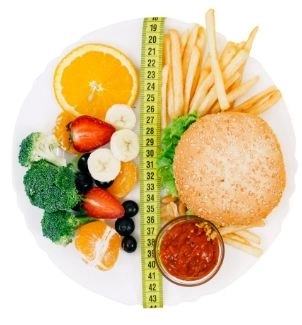
"The Points Diet is one of the most popular dietary systems that combines flexibility and effectiveness in helping individuals lose weight in a healthy and sustainable way. This system is based on calculating points assigned to each type of food based on its calorie content, fats, proteins, and fibers, allowing you the freedom to eat what you desire without feeling deprived. While the Points Diet has achieved significant success worldwide, it comes with both pros and cons that should be understood before deciding to follow it. In this article from Dely Medical, we will explore the advantages and disadvantages of this diet in detail, as well as how to implement it correctly to achieve the best weight loss results and better health."
What is the Points Diet?
The Points Diet is a nutritional system that relies on assigning points to each type of food you eat. A specific number of points is given based on the food's nutritional value, such as calories, fats, fiber, and proteins. The number of points you need varies based on your weight, age, physical activity, and your goal (whether you want to lose weight or maintain it).
Can I eat any type of food on the Points Diet?
Yes! You can eat any type of food on the Points Diet as long as you stay within the points allocated to you each day. However, certain foods like sweets and fried foods are higher in points, while foods like vegetables and fruits are low in points and can be eaten in larger quantities.
Can I have sweets on the Points Diet?
Yes, you can have sweets, but you must stay within the daily points limit. It's important to moderate your sweet consumption since they tend to be high in points. It's better to replace traditional sweets with healthier, low-point alternatives like fruits or sugar-free gelatin.
Is the Points Diet flexible?
Yes, the Points Diet is very flexible. You can eat any food you choose, but you need to keep track of the points you're consuming. This means you're not restricted to a specific food type, but you must control portion sizes.
Can I eat fast food on the Points Diet?
Yes, you can eat fast food as long as it fits within your points allowance. However, most fast foods tend to have high points, so it’s better to opt for healthier options like salads with low-calorie dressings or sandwiches made with whole-grain bread.
Can I drink sodas and juices?
Diet sodas may have low points, but they contain artificial ingredients, so it’s better to replace them with water or unsweetened tea.
As for sweetened juices, they typically have high points due to the high sugar content, so it’s best to avoid them or consume them in small quantities.
Does the Points Diet require exercise?
You can follow the Points Diet without exercise, but combining it with physical activity makes it more effective. Exercise helps increase calorie burning and promotes faster weight loss. It also improves overall health and fitness.
How much weight can I lose on the Points Diet?
Results vary from person to person, but generally, individuals can lose between half a kilogram to a kilogram per week as long as they stick to the allocated points. Weight loss might be faster initially, but consistency is key to achieving long-term results.
Can I combine the Points Diet with other diets?
It’s best not to combine the Points Diet with other dietary systems unless supervised by a medical professional or nutritionist. Mixing diets may cause nutrient deficiencies or undesirable side effects.
Can I stop the Points Diet after reaching my target weight?
Once you reach your ideal weight, you can reduce your daily points or switch to a maintenance system. However, it’s important to continue monitoring your diet to ensure that your eating habits remain sustainable.
Is there an age limit for following the Points Diet?
The Points Diet is suitable for adults but may not be appropriate for children or teenagers. If someone under the age of 18 wants to follow the Points Diet, it’s important to consult a nutritionist or doctor before starting.
The Points Diet assigns points to various foods, which makes organizing your daily meals easier. Here is a sample Points Diet chart to help you understand how to calculate points for different foods:
0 – 1 point: Most fresh fruits like apples and oranges, vegetables like cucumbers and carrots, and some low-fat yogurt types.
1 point: Whole wheat bread (1 slice), fat-free milk, or 1 teaspoon of extra virgin olive oil.
1.5 points: Boiled egg or yogurt-based ice cream.
2 points: Fruit jam, 1 slice of whole wheat bread, half a cup of cooked white rice, 100 grams of grilled fish, 100 grams of low-fat yogurt, or 30 grams of low-fat cheese.
2.5 points: Grilled chicken thighs without skin, salad with nuts, or a small serving of walnuts and hazelnuts.
3 points: Grilled chicken breast (100 grams) or 100 grams of lean grilled meats.
4 – 6 points: Half a cup of traditional ice cream.
5 points: Cooked pasta (medium serving), cooked lentils, or shrimp salad with olive oil.
5 – 7 points: A piece of chocolate (30 grams).
Although the Points Diet is flexible and easy to follow, certain groups are advised not to follow it due to their specific health needs:
Pregnant women: They need a balanced and comprehensive diet.
Breastfeeding women: To meet the increased nutritional and energy requirements of their bodies.
People with diabetes, heart diseases, or cardiovascular issues: They require specialized diets under medical supervision.
Children: The diet may not suit the growth needs of young people.
People with weak immunity: They require a diet that directly supports their health.
The Points Diet isn't just a weight loss tool; it has numerous health benefits that make it a popular choice. Here are its main benefits:
Easy weight management: The system helps control food portions and encourages eating healthy foods without feeling deprived.
Boosts metabolism: It aids in fat burning since it relies on eating a variety of foods without excessive restriction.
Flexible eating: The diet allows you to eat any food, provided you keep track of the points, offering more flexibility than stricter diets.
Encourages physical activity: Exercise gives you extra points, promoting more physical activity and helping you stay active.
Supports balanced nutrition: The system includes all food groups, such as proteins, carbohydrates, and fruits, ensuring balanced health.
Promotes healthy eating habits: Focuses on low-calorie, nutrient-dense foods like proteins and fiber.
Sustainable long-term: The flexibility of the diet makes it easier to stick to over a long period.
Increases food awareness: Helps you understand the quantity and quality of the food you consume, aiding in better food choices.
Positive effects on heart health: Reduces harmful fats and improves heart health by emphasizing healthy food choices.
Suitable for people with special health needs: Daily points can be customized to cater to specific health concerns like blood pressure or insulin resistance.
Motivates with rewards: Achieving goals (like losing 5 kg) can be rewarded with a meal or treat, making the system more enjoyable.
Traditional Points Diet (Weight Watchers - WW)
Goal: Gradual and sustainable weight loss.
Method: Based on calculating points according to the food's calories, fat content, and fiber. Specific points are allocated based on weight, age, height, and activity level.
Advantages: Flexible food choices, promotes balanced nutrition, suitable for all ages.
Disadvantages: Requires careful tracking of points, might be difficult for beginners.
Golden Points Diet (WW Freestyle)
Goal: Make the system easier with increased flexibility.
Method: Similar to the traditional Points Diet but gives "free points" for certain foods like fruits and vegetables, allowing you to eat unlimited quantities of healthy foods.
Advantages: More freedom in food choices, focuses on high-fiber foods, easier to follow.
Disadvantages: May be harder to track points for unhealthy foods.
Plant-Based Points System
Goal: Adapt the Points Diet for plant-based eating and weight loss.
Method: Focuses more on plant-based foods such as vegetables, fruits, and grains while following the traditional point calculation system.
Advantages: Ideal for vegetarians, encourages whole foods like grains, fruits, and vegetables.
Disadvantages: May be challenging for those who prefer animal-based proteins.
Low-Carb Points System
Goal: Weight loss through reducing carbohydrate intake.
Method: Focuses on cutting down on carbohydrates like white rice and white bread, while emphasizing proteins and healthy fats.
Advantages: Effective for fast weight loss, emphasizes protein and healthy fats.
Disadvantages: May not be suitable for those needing quick energy like children or athletes.
5. Active Points System (Points Diet with Physical Activity)
Goal: Combine physical activity with point tracking to achieve faster results.
Method: This system follows the same basic principle as the traditional Points Diet but adds extra points for physical activities like walking or running.
Advantages:
Supports physical activity and improves fitness.
Helps burn calories faster.
Disadvantages:
May be challenging for those not used to physical activity.
6. Keto Points System
Goal: Accelerate fat loss by reducing carbohydrates and increasing healthy fats.
Method: This system focuses on reducing carbohydrates and increasing healthy fats such as meats, fish, and healthy oils.
Advantages:
Accelerates fat burning.
Suitable for those wanting to try the keto diet.
Disadvantages:
Might be difficult for people not following a keto lifestyle.
Can lead to deprivation of carbohydrate-rich foods.
7. Low-Fat Points System
Goal: Reduce fat consumption for weight loss.
Method: This system focuses on reducing fats, especially saturated fats, and encourages light foods and white meats.
Advantages:
Focuses on improving heart health by reducing fats.
Offers variety in healthy foods.
Disadvantages:
Reducing fats too much might be difficult at times.
Determine Daily Points (Base Points)
The first step is to calculate the number of points you’re allowed to consume each day. This depends on factors like weight, age, height, and physical activity. Typically, each person has a specific number of points based on these criteria.
Points Calculation Formula
For Women:
Daily points start from 28 if the weight is over 90 kg.
For every 5 kg loss, the points decrease by around 2–3 points.
For Men:
Daily points start from 30 if the weight is over 90 kg.
Points decrease in the same pattern as weight loss.
Note: For an accurate calculation, you can use specialized apps or consult a nutritionist.
Food Points Calculation
Each food item has a specific point value based on 3 main factors:
Calories
Fat content
Fiber content
Example:
Apple = 0 points
Boiled egg = 2 points
Whole wheat bread slice = 2–3 points
Small chocolate = 4–6 points (depending on type)
Points Formula
To calculate points for a specific food, use this simple formula:
Points = (Calories ÷ 50) + (Fat ÷ 12) – (Fiber ÷ 5)
However, for convenience, there are apps that calculate points automatically for you.
Allocate Daily Points
Once you’ve determined your daily points, you’ll start tracking your food intake. You can distribute points between:
Main meals: breakfast, lunch, dinner
Snacks: Keep some points aside for snacks.
This helps you organize meals effectively.
Activity Points Calculation
If you’re physically active, you earn extra points. Any physical movement like:
Walking
Running
Stair climbing
These activities help burn fat and give you extra points.
Points Calculator Apps
To simplify the points calculation, there are many apps designed for this, such as:
WW (Weight Watchers): The official app for the Points Diet.
MyFitnessPal: Tracks points along with calories.
Calculate your daily points
The number of points you’re allowed depends on factors like:
Age
Weight
Height
Daily activity level
Typically, women get between 26–35 points daily. If you want a precise calculation, let me know your weight, height, age, and activity level, and I can assist you.
Know the point value of each food
Each food has a point value based on:
Calories
Fat
Fiber
Generally:
Healthy foods = low points
Fatty foods and sweets = higher points
Example:
Apple = 0 points
1 tablespoon of oil = 2 points
Small whole wheat bread loaf = 4 points
Small chocolate = 5–7 points
Focus on zero-point foods
There are foods you can eat freely because they have 0 points or nearly 0 points, such as:
Vegetables
Fruits (in moderation)
Eggs
Light yogurt
Oats (in limited quantities)
These will help you feel full without using up your points.
Distribute points throughout the day
Try to divide your points like this:
Breakfast: 6–8 points
Lunch: 10–12 points
Dinner: 4–6 points
Keep some points for snacks if you enjoy nibbling between meals.
Drink plenty of water
Water helps increase satiety and reduces hunger, especially when your points are low.
Stay active
Any activity like:
Walking
Stairs
Household chores
Light exercise
This improves your results and gives you "activity points."
Weigh yourself once a week
Don't weigh yourself daily as weight fluctuates naturally. Pick a consistent day each week to check your progress.
Reward yourself with weekly flexibility points
Some systems give you 35 extra points each week to use for:
A treat
A special meal
A celebration
This makes the diet more flexible and enjoyable.
Despite its flexibility and effectiveness, there are some drawbacks that you should be aware of:
Nutrient deficiencies
Over-restricting your points may lead to a deficiency in essential vitamins and minerals.
Solution: Ensure a variety of foods and include healthy fats and proteins.
Constant hunger
If your points are too few, you might experience constant hunger.
Solution: Don’t drastically reduce points, and focus on fiber and protein-rich foods.
Limiting favorite foods
Certain foods like sweets or fried foods have high points, which might make you avoid them.
Solution: You can compensate by choosing healthier foods with fewer points.
Impact on physical activity
Some people may focus more on counting points than on being physically active, leading to inactivity.
Solution: Incorporate physical activity into the diet plan.
Psychological impact
Focusing constantly on points may cause anxiety or stress around food.
Solution: Follow the system with flexibility and avoid putting too much pressure on yourself.
Possible Drawbacks of the Points Diet
Disruption of Relationship with Food
If followed too strictly, the Points Diet can lead to excessive anxiety about food.
Solution: Maintain balance, and combine healthy foods with occasional snacks to avoid obsession over points.
Potential Muscle Loss
If you’re not consuming enough protein, the diet may lead to muscle loss.
Solution: Ensure you're eating healthy protein sources like fish and grilled chicken.
Long-Term Effects May Not Be Noticeable
If the system is not followed sustainably, weight might return quickly after stopping.
Solution: Combine the Points Diet with regular exercise for long-term weight maintenance.
To get the best results and enjoy a healthy and effective experience with the Points Diet, you need to keep a few important tips in mind. The system is flexible, but requires some organization and focus to be used effectively. Here are the key tips:
Calculate Points Accurately
The first step is to calculate your daily points allowance. This depends on your weight, height, age, and activity level.
Use points calculators or specialized apps for easy calculation and ensure accurate points for different foods.
Focus on Healthy and Low-Point Foods
Foods like vegetables, fruits, fat-free yogurt, and whole grains are typically low in points or even zero points.
Consume these foods in larger quantities to boost satiety, and save points for other foods.
Don’t Overindulge in High-Point Foods
Foods high in fat, such as sweets, pastries, and fast food, are often high in points.
It's best to limit these foods and not use up all your points in one meal. Try to reduce their intake.
Opt for Lean Proteins
Proteins help keep you full for longer. Choose lean proteins such as:
Grilled chicken
Fish
Boiled eggs
These foods are low in points and help build muscle while keeping you full.
Distribute Points Throughout the Day
It’s better to spread your points across the main meals (breakfast, lunch, dinner) and snacks.
The goal is to distribute your points evenly throughout the day, which helps maintain energy and satiety.
Replace High-Fat Foods with Healthy Options
If you crave a high-calorie meal like pizza or chocolate, be mindful of the points.
Replace high-fat foods with healthier alternatives like brown rice, whole wheat pasta, or salads with low-fat dressings.
Don’t Forget to Exercise
Exercise helps burn more calories and increases your points.
Even simple activities like walking or yoga can add extra activity points.
Drink Plenty of Water
Water not only reduces hunger but also aids in fat burning and detoxifying the body.
Aim to drink 2 to 3 liters of water daily to stay hydrated and improve metabolism.
Don’t Feel Guilty for a Snack
The diet is flexible and allows for occasional snacks.
Don’t feel guilty if you have a small snack, the key is to control the portion size and points.
Track Your Progress Regularly
Weigh yourself periodically (once a week). Remember, results may not be immediate, but over time, you'll notice progress.
You can also track your food intake and points using specialized apps to monitor your progress.
Use Weekly Points Wisely
The system provides additional weekly points for special occasions.
Be careful with how you use these, don’t try to spend all your points in one day. Spread them out and use them wisely.
Maintain Variety in Foods
Variety is important to avoid getting bored with the diet.
Try new healthy (and low-point) foods such as whole grains, lean proteins, and seasonal vegetables.