

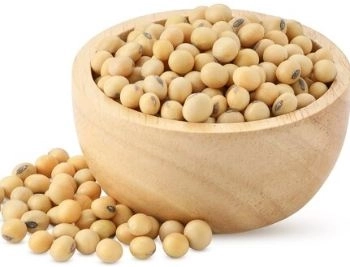
???? Does Soy Really Affect Male Hormones? The Truth About Soy and Testosterone
In recent years, soy has become one of the most debated foods—especially when it comes to men's health. While many praise it for its impressive benefits like supporting heart health, boosting immunity, and helping build muscle mass, others raise concerns about its possible impact on testosterone levels due to its content of plant-based compounds called phytoestrogens.
So, is soy truly harmful for men? Or is it a misunderstood superfood?
In this Dalili Medical article, we reveal the full truth about soy and men’s health:
✅ The real effects of soy on testosterone and hormones
✅ Scientifically proven health benefits for men
✅ Potential risks and side effects
✅ The safe amount of soy to consume daily
Let’s dive into the science and separate the myths from the facts.
✅ 1. Does soy lower testosterone levels in men?
No. There are no reliable studies showing that soy significantly lowers testosterone in healthy men.
In fact, soy is a great plant-based protein that supports muscle and heart health—when consumed in moderation.
Tip: Too much of anything can backfire. Moderation is key!
✅ 2. How often can men eat soy per week?
You can safely consume soy or soy-based products 3 to 5 times per week, as long as your intake of soy protein doesn’t exceed 25–30 grams per day.
Example of a healthy daily intake:
1 cup of soy milk + 1 serving of tofu = ideal and safe dose.
✅ 3. Does soy cause infertility or affect sperm quality?
To date, there’s no strong scientific evidence proving that soy negatively affects fertility or sperm count.
But if you have hormonal imbalances or fertility issues, it’s best to consult a doctor before consuming large amounts.
✅ 4. Is soy good for muscle building?
Absolutely! Soy contains all 9 essential amino acids, making it a complete plant-based protein—perfect for men who work out or aim to build lean muscle.
✅ 5. Are there types of soy men should avoid?
Yes. Some heavily processed soy products (like packaged veggie burgers or soy-based sauces) may contain preservatives and additives.
Better options include:
– Unsweetened soy milk
– Organic tofu
– Whole soybeans (boiled or roasted)
✅ 6. Can men drink soy milk daily?
Yes. One cup of unsweetened soy milk per day is completely safe and offers great benefits for muscles, the heart, and even prostate health.
✅ 7. Is soy beneficial for men over 40?
Definitely. Soy helps:
– Lower LDL (bad cholesterol)
– Support heart health
– Provide easy-to-digest protein
All of which are especially important as men age.
✅ 8. Does soy cause hair loss in men?
No, there’s no direct link between soy and hair loss.
On the contrary, soy is rich in protein and iron, which nourish and strengthen hair follicles.
If you're experiencing hair loss, check for other causes like:
– Zinc or iron deficiency
– High stress
– Thyroid issues
✅ 9. Can men take soy supplements?
Yes, but it’s always better to get your soy from natural sources like soy milk or tofu, which are safer and more beneficial overall.
If you consider using soy supplements, consult a healthcare provider, especially if you’re taking medications or other supplements.
Soybeans are the natural, whole form of the plant and need proper cooking (boiling or steaming) before eating.
Tofu is made by curdling soy milk and pressing it into blocks. It’s soft, rich in protein, and easy to digest.
✅ Both are healthy, but tofu is more convenient for daily meals—especially for vegetarians or anyone looking for a meat substitute.
Absolutely! Soy is rich in plant compounds called isoflavones, which have been shown to:
Lower LDL (bad) cholesterol
Improve blood circulation
Strengthen blood vessels
That makes soy a heart-friendly food—especially beneficial for men over 40.
Some research suggests that soy may help reduce the risk of prostate cancer, thanks to its antioxidants and plant-based compounds.
However, if you already have a prostate condition, it’s best to consult your doctor before making soy a regular part of your diet.
In some people, especially those not used to it, soy may cause mild gas or bloating.
To avoid discomfort:
Soak soybeans before cooking to reduce anti-nutrients
Start with small portions and increase gradually
Try tofu or soy milk, which are easier on digestion
Absolutely, yes! Soy is a complete plant-based protein, meaning it contains all essential amino acids — a rare quality in vegetarian foods.
???? It’s an ideal, nutritious, and healthy alternative to meat, especially for vegetarian men looking to support their protein needs naturally.
Yes, it can — but it’s very important to consult a doctor or nutritionist if you’re taking hormone-related or protein supplements. This helps avoid any potential interactions or side effects.
Soybeans are among the richest plant-based sources of protein. They provide a wide range of essential vitamins and minerals, making them an ideal choice for health-conscious individuals — especially men, athletes, and vegetarians.
Boiled soybeans contain about 173 calories per 100 grams — a moderate amount considering their dense nutritional profile.
| Nutrient | Amount |
|---|---|
| Calories | 173 kcal |
| Protein | 16.6 g |
| Total Fat | 9 g |
| – Saturated Fat | 1.3 g |
| – Unsaturated Fat | 7.7 g |
| Carbohydrates | 9.9 g |
| – Dietary Fiber | 6 g |
| – Natural Sugars | 3 g |
| Mineral | Amount (per 100 g) |
|---|---|
| Calcium | 277 mg |
| Iron | 15.7 mg |
| Magnesium ⚡ | 280 mg |
| Potassium | 1797 mg |
| Zinc | 4.9 mg |
✅ These minerals help strengthen bones, support healthy blood circulation, enhance energy levels, and boost immunity.
| Vitamin | Amount |
|---|---|
| Vitamin C | 6 mg |
| Vitamin K | 47 mcg |
| Vitamin B1 (Thiamine) ⚙️ | 0.4 mg |
| Folic Acid (B9) | 375 mcg |
???? Folic acid is especially important for brain health and preventing anemia, making soy beneficial for both men and women of reproductive age.
| Type | Amount (per 100 g) |
|---|---|
| Omega-3 (ALA) | 1.2 g |
| Omega-6 ❤️ | 5 g |
✅ These healthy fats promote heart health, reduce inflammation, and support brain function.
| Soy Product | Safe Daily Amount | Recommended Weekly Servings | Important Notes |
|---|---|---|---|
| Boiled Soybeans | ½ cup (approx. 85 g) | 3–5 times/week | Rich in protein and fiber |
| Soy Milk | 1 cup (240 ml) | 3–4 times/week | Choose unsweetened, non-GMO versions ❌ |
| Tofu (Soy Cheese) | 100–150 g | 2–3 times/week | Excellent plant-based protein source |
| Edamame (Green Soybeans) | ½ cup | 2–3 times/week | Healthy snack or salad topper |
| Soy Burger / Processed Meat | 1 patty (80–100 g) | 1–2 times/week (max) | ⚠️ Limit highly processed soy-based products |
| Soy Sauce | 1 tbsp (15 ml) | Occasionally, as needed | High in sodium – avoid overuse |
Don’t exceed 2 servings per day (e.g., 1 cup soy milk + 1 tofu portion).
Rotate your soy sources throughout the week — avoid relying on just one form.
Always choose non-GMO and natural soy products when possible.
If you have hormonal imbalances or fertility concerns, consult your doctor before consuming soy regularly.
Soy isn't just one thing — it's a versatile food that comes in many forms. Each type offers unique nutritional benefits and culinary uses, whether you're cooking, following a plant-based diet, or looking for healthy protein alternatives.
Description:
Mature soybeans with a light yellow color; the original, natural form.
Uses:
– Soak and boil to add to:
• Soups
• Rice dishes
• Salads
Benefits:
Rich in protein, fiber, and phytoestrogens that support heart and bone health.
Description:
Immature, bright green soybeans — usually steamed or lightly boiled.
Uses:
• Healthy snack
• Salad or appetizer ingredient
Benefits:
Low in fat, high in protein and magnesium — ideal for weight management and active lifestyles.
Description:
A plant-based beverage made by soaking and grinding soybeans, then boiling them in water.
Uses:
• Milk substitute in tea or coffee
• Perfect for smoothies, baking, or cereals
Benefits:
Lactose-free, rich in protein and calcium — excellent for vegans and lactose-intolerant individuals.
Description:
Made by grinding dried soybeans into a fine powder.
Uses:
• High-protein alternative in baked goods
• Great for gluten-free recipes
Benefits:
Naturally gluten-free — suitable for those with celiac disease or gluten intolerance.
Description:
A highly concentrated soy supplement containing over 90% protein.
Uses:
In protein supplements for athletes
In weight loss diets and vegan meal plans
Benefits:
Easily absorbed and supports muscle building.
Description:
Made by curdling soy milk; it has a cheese-like texture.
Uses:
A plant-based substitute in savory or sweet dishes
Stir-fries, curries, or even desserts
Benefits:
Excellent source of protein and calcium – low in calories and easy to digest.
Description:
A fermented soy product made from whole soybeans; firm and chewy in texture.
Uses:
Can be pan-fried, grilled, or steamed as a meat alternative
Benefits:
Rich in probiotics, improves digestion, and strengthens immunity.
Description:
A dark brown liquid made by fermenting soybeans with wheat and salt.
Uses:
Flavor enhancer for meat, rice, and Asian dishes
Caution:
High in sodium – choose low-sodium varieties whenever possible.
Description:
A dehydrated soy-based product that resembles minced meat when cooked.
Uses:
Used in soy burgers, soy kofta, or vegan "meat" recipes
Benefits:
High-quality plant protein – an ideal meat substitute for vegetarians.
Soy isn't just a plant-based protein — it’s a nutritional powerhouse that supports men’s health from head to toe. From prostate protection to heart health and muscle strength, here are the top 15 science-backed benefits of soy for men:
Soy is rich in isoflavones, powerful antioxidants that help:
✔️ Lower the risk of benign prostatic hyperplasia (BPH)
✔️ Prevent prostate cancer
Clinical studies show strong benefits, especially for men over 40.
Soy contains all essential amino acids, making it:
✔️ A complete plant-based protein
✔️ Perfect for athletes and men focusing on muscle gain
✔️ A smart choice for vegetarians or those reducing meat intake
Thanks to its content of:
Soluble fiber
Omega-3 fatty acids
Antioxidants
Soy helps to:
✔️ Lower bad cholesterol (LDL)
✔️ Prevent blood clots and high blood pressure
Despite containing phytoestrogens, studies show:
✔️ No proven link to reduced testosterone in healthy men
✔️ May support hormonal balance and lower stress levels
Soy contains magnesium + tryptophan, which help:
✔️ Calm the nervous system
✔️ Reduce insomnia
✔️ Boost mood, focus, and mental clarity
Soy may:
✔️ Improve insulin sensitivity
✔️ Reduce post-meal blood sugar spikes
✔️ Help prevent type 2 diabetes
Thanks to its high protein and fiber content, soy:
✔️ Increases satiety and reduces overeating
✔️ Curbs cravings
✔️ Boosts fat metabolism and calorie burn
When consumed in moderation:
✔️ Soy does not harm fertility
✔️ Rich in zinc and antioxidants
✔️ Helps protect sperm cells from oxidative damage
Especially in cancers such as:
✔️ Prostate cancer
✔️ Colon cancer
✔️ Stomach cancer
This is due to isoflavones, plant compounds that help slow the growth of cancer cells.
Soy contains lecithin, a key compound that:
✔️ Supports mental clarity and focus
✔️ Boosts reaction time
✔️ May protect against age-related memory decline and Alzheimer’s
Thanks to its rich content of:
✔️ Calcium and magnesium
✔️ It supports bone density
✔️ Reduces the risk of fractures and osteoporosis
Soy is:
✔️ High in potassium
✔️ Low in sodium
✔️ Supports healthy kidney function and reduces bloating
Soy is rich in tryptophan, an amino acid that boosts the production of serotonin (the “happiness hormone”), helping to:
✔️ Reduce anxiety and mood swings
✔️ Support emotional balance and mental clarity
Thanks to its high protein and fiber content, soy:
✔️ Keeps you feeling full for longer
✔️ Helps reduce cravings and emotional eating
✔️ Supports weight loss and healthy dieting
Soy is packed with zinc, copper, and antioxidants, which:
✔️ Strengthen immune defenses
✔️ Help fight inflammation and viruses naturally
Despite being a powerful source of plant-based protein with many health benefits, excessive soy intake or unbalanced use may lead to negative effects, especially in certain men. Here are the key risks:
✅ The truth: Soy contains isoflavones, plant-based compounds that are structurally similar to estrogen.
Older studies suggested a possible drop in testosterone when consuming very high amounts.
However, newer and more comprehensive research shows this effect is either minimal or non-existent when soy is consumed in moderation.
Recommendation: Stick to 2–3 servings daily maximum to avoid hormonal imbalance.
In rare cases, excessive soy intake may lead to:
– Reduced sperm count
– Lower sperm motility and quality
⚠️ These effects are only seen in extremely high intake levels over time, often involving concentrated soy supplements without medical supervision.
Recommendation: Choose natural soy foods, and avoid supplements unless prescribed by a healthcare provider.
Men with specific conditions should be cautious:
– Hormonal imbalances or estrogen dominance
– Soy allergies
Possible symptoms:
– Skin rash or itching
– Digestive or respiratory discomfort
– General unease after soy consumption
Recommendation: If you have a history of hormonal issues or soy sensitivity, consult your doctor before adding soy to your diet.
Soy contains compounds that may:
– Interfere with iodine absorption
– Potentially slow thyroid activity, especially in individuals with iodine deficiency
This could lead to symptoms such as:
– Fatigue
– Slow metabolism
– Hair loss or weight gain
Recommendation: If you consume soy regularly, ensure your diet is rich in iodine from sources like:
– Eggs
– Seafood
– Iodized salt
Soybeans aren’t just another plant-based ingredient – they’re a versatile nutritional powerhouse you can use in many creative and delicious ways. Whether you're looking for meat alternatives or satisfying vegan meals, these soy-based ideas have you covered:
How to prepare:
– Soak for 8 hours
– Boil for 45–60 minutes until tender
Uses:
– High-protein snack
– Add to salads or rice dishes
Benefit: High in protein and fiber — ideal for appetite control.
A great dairy-free substitute, especially for those with lactose intolerance.
Uses:
☕ Coffee and tea
???? Oatmeal or breakfast cereals
???? Smoothies and shakes
⚠️ Choose unsweetened, additive-free varieties for the healthiest option.
A soft, cheese-like soy product that’s 100% plant-based.
Uses:
???? Sandwich filler
???? Stir-fry dishes
???? Salad topper or Asian-inspired meals
Benefit: Excellent low-fat protein source.
A fermented soy product rich in protein and probiotics.
Uses:
???? Grill or lightly fry
???? Cook with vegetables as a main course
A flavorful, healthy alternative to ground meat.
Uses:
???? Burger patties
???? Vegan meatballs
Benefit: Low in saturated fat — great for weight management.
Perfect for protein-rich, gluten-free baking.
Uses:
???? Bread
???? Cakes and muffins
Benefit: Gluten-free and boosts nutritional value of baked goods.
For an authentic Asian flavor boost.
Uses:
???? Salad dressings
???? Noodles and stir-fries
⚠️ Opt for low-sodium versions when possible.
Popular among athletes and plant-based dieters.
Uses:
???? Protein shakes
???? Plant-based yogurts
???? Add to oats or pancakes
Benefit: Complete amino acid profile — supports muscle building.
A warm, nourishing winter dish.
Ingredients:
???? Carrots, celery, onions, garlic
???? Spices like cumin and ginger
Benefit: Immunity-boosting and filling.
Low-carb, light alternative to regular pasta.
Best for:
✅ Weight loss plans
✅ Diabetics
Vegan-friendly, protein-rich and probiotic-packed.
Uses:
???? Top with nuts, fruits, or oats for breakfast or a healthy snack.
Perfect dairy alternative for lactose-intolerant or vegan diets.
Uses:
???? Pizza topping
???? Sandwiches
???? Paired with healthy snacks
A crunchy, portable, and healthy snack.
Benefit: A great substitute for salty chips or crackers.
Make your own healthy version using textured soy protein and vegetables.
Benefit: High in protein, low in fat, and free from preservatives.
A fermented soybean paste, rich in probiotics.
Uses:
???? Miso soup
???? Seasoning for plant-based or Asian dishes
Looking for nutritious and plant-based drinks? Soy milk and its variations are the perfect choice!
Here are 10+ innovative soy drink recipes — ideal for mornings, workouts, or relaxing before bed:
The simplest and most popular soy drink.
Benefits:
✔️ High in protein and calcium
✔️ Ideal for vegans or those with lactose intolerance
Uses:
– Drink as-is
– Add to coffee or tea
– Mix into oats or pancake batter
⚠️ Tip: Always choose unsweetened and flavor-free soy milk for the healthiest option.
A filling, quick meal — perfect before a workout or as a snack.
Recipe:
1 cup soy milk + ½ banana + a handful of berries (blueberries or strawberries) + 1 tsp honey + ice cubes
Benefit: Packed with protein, vitamins, and antioxidants.
A natural energy booster for men after exercise or for a power breakfast.
Ingredients:
– 1 warm cup soy milk
– 2 soaked dates
– 1 tsp ground almonds or peanut butter
Benefit: Builds muscle and keeps you full longer.
A healthy alternative to regular hot cocoa.
Recipe:
– 1 cup soy milk
– 1 tsp unsweetened cocoa powder
– A dash of cinnamon or vanilla
– Honey to sweeten
✨ Great for mood and focus enhancement.
Perfect for coffee lovers who prefer a plant-based twist.
How to make:
Espresso + steamed soy milk foam
✔️ Pro Tip: Use barista-style soy milk for a thick, creamy foam.
A complete breakfast or a high-protein snack.
Ingredients:
– ½ cup oats
– 1 cup soy milk
– 1 banana
– 1 tbsp peanut butter
– A pinch of cinnamon
✅ Keeps you full for hours and boosts your energy naturally.
Great for regulating blood sugar and boosting immunity.
How to make:
1 cooked apple + 1 cup soy milk + a dash of cinnamon + a pinch of nutmeg