
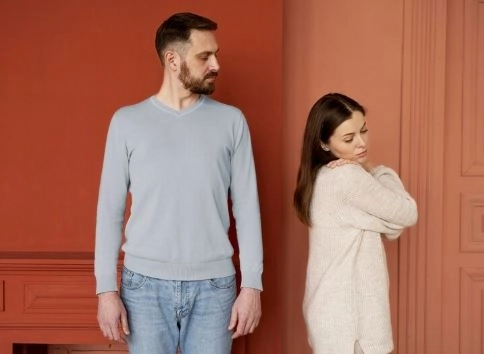
In family life, some mothers may find themselves in difficult situations when their children experience harsh or unfair treatment from their stepfather. Such situations not only affect the relationship between the husband and the children but may also leave deep emotional and psychological scars on the children. In such circumstances, the mother bears a significant responsibility in protecting her children and ensuring their emotional and psychological well-being. It requires her to balance her role as a mother and her role in maintaining family harmony, while also taking decisive steps to protect the children without deepening the rift between the husband and the children. In this medical guide, we will explore practical advice for mothers facing challenges in dealing with their husband's treatment of their children, and how to maintain a healthy and safe family environment for their children.
The presence of a stepfather in children's lives can offer numerous benefits if the relationship between him and the children is healthy and balanced. While some children may struggle to adjust to this change, over time, a stepfather can become a source of stability and support. Here are the key benefits that children can experience if the relationship with their stepfather is positive:
Additional Family Support
A stepfather can provide significant financial and emotional support to the family. With the income of the stepfather, living conditions for the children can improve, allowing the mother to meet additional needs for her children. Additionally, a positive relationship with the stepfather can enhance the mother's marriage, which positively impacts the overall stability of the family.
A Positive Male Role Model
If the stepfather interacts with the children kindly and respectfully, he can become a good role model for the boys in the family. For children who have grown up without a father, a stepfather provides an opportunity to observe how a man interacts with others in a respectful and responsible manner, helping to reinforce values such as respect and perseverance.
Improved Social Relationships
A stepfather can enhance children's social skills by interacting with them and introducing them to new family members. This can encourage children to build healthy relationships with others outside their immediate family circle.
Increased Sense of Stability
In cases of divorce or parental separation, children may feel a lack of stability. However, the presence of a kind and respectful stepfather can help create a stable family environment, reducing feelings of anxiety or loneliness that children may experience.
Learning Life Skills
If the stepfather possesses valuable life skills such as patience and wise guidance, he can help children learn how to navigate difficult situations and make sound decisions. He may also teach them practical skills such as household chores or hobbies that contribute to their personal development.
Enriching Life Experiences
A stepfather can introduce new experiences into children's lives. Through interactions with him, children may learn new things in various areas such as cooking, sports, or the arts. Additionally, getting to know different family cultures and backgrounds enhances children's understanding of life.
Supporting the Mother's Emotional Parenting
A stepfather can assist the mother in parenting, easing her emotional burden. This support allows the mother more time and opportunities to provide the emotional care and attention the children need, contributing to the creation of a healthy family environment.
Strengthening Family Belonging
Having a stepfather in the family can help children feel a sense of belonging to a larger and more stable family. When treated with respect, this enhances their feeling of being part of a loving and cohesive family, which fosters strong family bonds.
Enhancing Parental Cooperation
If the relationship between the stepfather and mother is based on mutual cooperation and respect, this dynamic can contribute to a balanced and harmonious family environment. Such cooperation leads to family stability and benefits the children, who feel secure and emotionally at ease.
Types of Stepfathers and Tips for Dealing with Them
The presence of a stepfather in children's lives can have a significant impact on their families, whether positive or negative. There are different types of stepfathers, and each type has its own effect on the relationship with the children. Let’s take a look at these types:
The Supportive and Loving Stepfather
This type of stepfather treats his wife’s children as his own. He is affectionate, supportive of both the mother and the children, and plays the role of an alternative father figure in their lives.
Traits:
Treats the children with kindness and respect.
Enhances family stability and provides a sense of safety and support.
Respects the biological father’s place in the children's lives (if present).
Provides emotional and financial support for the family.
Impact:
This type of stepfather is a blessing for the entire family, contributing to creating a stable and loving family environment.
The Neutral Stepfather
The neutral stepfather does not engage much in the children’s lives but also does not harm them. He treats them politely but doesn’t intervene in their upbringing or decision-making.
Traits:
Respects the children but does not form a close relationship with them.
Focuses more on his relationship with the mother than with the children.
Does not take any negative stance towards the children or their behavior.
Impact:
This type is not ideal but does not pose a threat to the children. If good communication is established, the relationship can improve over time.
The Controlling Stepfather
The controlling stepfather tries to impose his authority over everything in the family, from small decisions to parenting styles. This type may intervene harshly in the children’s upbringing and sees them as a burden.
Traits:
Acts as though he has the right to impose his views forcefully.
Treats the children as though they do not have the right to express themselves.
Follows a harsh parenting style that may deteriorate the relationship with the children.
Impact:
Children living in this environment may suffer from psychological issues such as low self-esteem and a sense of insecurity. It’s crucial to intervene and guide this type of stepfather toward improving his behavior.
The Abusive Stepfather (Emotionally or Physically)
The abusive stepfather is the most dangerous type. He may cause emotional or physical harm to the children, either through harsh words or violent actions. He might neglect, humiliate, or even resort to physical violence.
Traits:
Intentionally insults or diminishes the children’s worth.
May treat them with physical or verbal violence.
May feel jealous or resentful of the children due to their relationship with their mother.
Impact:
This type of stepfather poses a significant threat to the children’s mental and physical well-being. Immediate intervention by the mother or mental health professionals is necessary to protect the children from harm.
The Pretend Stepfather (Hypocrite)
The pretend stepfather presents himself as a kind and supportive father figure in front of others but is actually harsh or neglectful toward the children at home. This type of stepfather is difficult to identify because he tries to hide his true behavior.
Traits:
Presents himself as a good person in front of others.
In reality, treats the children harshly or with neglect at home.
May have a dual personality, causing confusion for the children.
Impact:
Dealing with a pretend stepfather causes confusion for the children. It becomes difficult for them to distinguish between his kind behavior in public and his true actions at home, which may affect their emotional stability.
Comparison Table of Stepfather Types and Their Impact on Children
The presence of a stepfather in children's lives can have varying effects depending on his type and behavior. Below is a table outlining how each type of stepfather interacts with children, the impact on them, and the best approach to handling each type to ensure family stability:
| Type | Interaction with Children | Impact on Children | Way to Handle |
|---|---|---|---|
| The Supportive and Loving Stepfather | Cares for the children as if they are his own, helps them through challenges, and guides them in life. | Creates a safe and emotionally supportive environment, helping to build children's self-confidence. | Open communication with both the mother and children, emphasizing the biological father's role in their lives. |
| The Neutral Stepfather | Avoids interfering in the children's matters, respects their private lives. | Minimal impact; doesn't contribute significantly to their upbringing, but doesn’t harm them either. | Mutual respect, acceptance of his presence as part of the family without interfering in children’s personal affairs. |
| The Controlling Stepfather | Seeks to impose control over everything in the family, intervening forcefully in the children's matters. | Can cause tension and anxiety in children, leading to issues with self-esteem and family relationships. | Set clear boundaries, define each person’s role in the family, and work on building mutual respect. |
| The Abusive Stepfather | Treats the children harshly, may be physically or emotionally abusive. | Destroys self-esteem, causing serious psychological issues like anxiety, depression, and trust issues. | Immediate intervention by the mother or professional help to protect the children from emotional or physical harm. |
| The Pretend Stepfather | Appears kind and supportive in front of others but is harsh or neglectful toward the children at home. | Causes confusion for children due to the discrepancy between his public persona and private behavior, increasing psychological stress. | Speak honestly with the mother, seek ways to address the inconsistency, and involve psychological support if necessary. |
The Supportive and Loving Stepfather:
Handling Method:
Maintain open communication with the mother to ensure the relationship remains strong.
Acknowledge and appreciate the stepfather's efforts, reinforcing positive behaviors.
Foster mutual respect between the children and stepfather to create a supportive and stable home environment.
The Neutral Stepfather:
Handling Method:
Accept his role in the family without pressuring him to intervene more.
Strengthen the relationship between the children and mother, allowing gradual interaction with the stepfather.
Ensure mutual respect is maintained to avoid unnecessary tensions.
The Controlling Stepfather:
Handling Method:
Set clear and firm boundaries for interactions with the children.
Have the mother intervene when necessary to ensure respectful treatment of the children.
Teach children how to handle difficult situations with respect and assertiveness.
The Abusive Stepfather:
Handling Method:
Seek professional help immediately to protect the children from emotional or physical harm.
Encourage the mother to address the abusive behavior and make it clear what is unacceptable.
Ensure the children’s safety by removing them from harmful situations.
The Pretend Stepfather:
Handling Method:
Help the children understand the difference between his public persona and his behavior at home.
Address the inconsistencies openly with the mother.
Seek psychological support to help children cope with the confusion caused by such behavior.
Psychological Harm:
Rejection: When a stepfather treats you poorly, it makes you feel unwanted or unimportant, which severely impacts your self-esteem.
Insecurity: You may not feel that home is a safe place, leading to constant anxiety and harm to your mental health.
Anxiety and Depression: Long-term poor treatment results in chronic anxiety, which can lead to depression, affecting daily life.
Frustration and Isolation: Over time, you may feel worthless, leading to social withdrawal and difficulty expressing your emotions.
Behavioral Harm:
Aggression or Violence: Poor treatment can lead to aggressive reactions even in simple situations, negatively affecting relationships.
Withdrawal and Isolation: You might prefer silence over expressing your feelings, further distancing yourself from others.
Lying or Rebellion: Defensive behavior like lying or rebelling may arise as a coping mechanism, complicating relationships with others.
Relational Harm:
Destroyed Trust in Adults: If the stepfather abuses his authority, it can result in losing trust in all adults, making it hard to trust anyone in the future.
Difficulty Forming Healthy Relationships: Fear of rejection or harm may prevent forming healthy relationships, affecting future emotional and social connections.
Problems with the Mother’s Relationship: If the mother fails to intervene or covers up her husband’s actions, it may lead to feelings of betrayal and weakened bonds with her.
Academic and Educational Harm:
Difficulty Focusing: Psychological stress caused by poor treatment can impair focus in school, leading to a decline in academic performance.
Lower Academic Achievement: The emotional burden can make it difficult to grasp subjects, negatively impacting grades.
Avoiding School: A home environment filled with stress may make children avoid school, leading to further academic problems.
Physical Harm (in case of physical violence):
Frequent Injuries or Bruises: Physical abuse can result in repeated injuries, affecting both physical and mental health.
Sleep and Eating Problems: Constant anxiety can disrupt sleep patterns and appetite, causing physical health problems.
Physical Exhaustion Due to Stress: Ongoing emotional stress can lead to physical exhaustion, draining energy and affecting overall health.
Future Harm:
Distorted View of Marriage or Family: Negative experiences with a stepfather can distort views on family and marriage, making it difficult to form healthy relationships in the future.
Repeating the Pattern: Without proper intervention, the child may repeat negative behaviors with others, perpetuating harmful patterns in the future.
Weakening Character: Poor treatment can undermine self-confidence, making it harder to make important decisions or set healthy boundaries, which affects overall life quality.
Reasons for Poor Treatment from Stepfathers
Jealousy and Competition
Sometimes, a stepfather may feel jealous of his wife’s children, especially if she gives them a lot of attention. Some men see children as a barrier to their relationship with the mother and believe the children take away time and focus that could be directed towards them. This feeling of jealousy can lead to poor treatment of the children as a way of expressing this rivalry.
Lack of Responsibility
Some stepfathers don’t feel responsible for their wife’s children. They may think that raising the children is entirely the mother’s responsibility, or that the biological father is the one who should take care of them. This belief can lead them to avoid interacting with the children or treating them poorly, as they don’t see them as their responsibility.
Financial Struggles and Life Pressures
In some cases, a stepfather might face financial issues or life pressures that cause resentment. If he’s struggling financially, he may view the children as an added burden, increasing his responsibilities, and might neglect their needs or treat them poorly. Sometimes, he may want to distance the children from the household to reduce these burdens.
Psychological or Personal Issues
A stepfather may have emotional problems, such as difficulty controlling anger or aggressive tendencies. He might have grown up in a harsh or unstable environment, which could influence how he treats his wife’s children. This poor treatment could stem from unresolved emotional issues, especially if he doesn’t feel an emotional connection to the children because they are not his biological offspring.
Cultural and Family Influences
In some cultures or societies, there is a belief that children from a wife’s previous relationship are not the same as biological children. The stepfather might be influenced by these views, often from family or friends, and may feel that he should not treat the children the same way he treats his biological children, which can affect how he treats them.
Feeling that Their Presence Interferes with His Desires
The stepfather might have emotional or social desires, such as spending quality time alone with his wife, going on romantic outings, or pursuing other activities. The presence of the children in the home may interfere with these desires, which can cause frustration or resentment, and he may express these negative feelings by treating the children poorly.
Forms of Poor Treatment from Stepfathers
Emotional Neglect
One of the most common forms of poor treatment is emotional neglect, where the stepfather does not express care or love for the children. The child may feel unsafe or as if they do not belong, as the stepfather does not engage with them or participate in their activities. He may ignore their questions or fail to meet their emotional needs, leaving the child feeling neglected and discriminated against.
Preferential Treatment of Biological Children
A stepfather might treat his biological children better than the children of his wife, either intentionally or because of a lack of emotional attachment to the children from her previous relationship. This kind of favoritism can cause jealousy and sadness among the children, making them feel excluded and unimportant.
Psychological and Emotional Abuse
Psychological abuse occurs when children face harsh or unjust treatment, such as constant criticism, belittling, or verbal abuse. The stepfather might accuse the child or place responsibilities on them that are not age-appropriate, damaging their self-confidence and negatively impacting their mental health.
Undermining the Child’s Confidence
The authoritarian stepfather might use harsh methods to deal with his wife’s children, belittling them or isolating them from the family. He might ignore their achievements or discourage them from studying or pursuing hobbies, which negatively impacts their self-esteem and makes them feel worthless.
Verbal Abuse
Verbal abuse is one of the worst forms of mistreatment children might endure. It involves continuous shouting, scolding, using humiliating language, or threatening to throw the child out of the house. This kind of treatment leaves deep psychological scars on the child, increasing feelings of weakness and insecurity.
Physical Abuse
Physical violence is one of the most dangerous forms of mistreatment. The stepfather might use physical punishment, including hitting, forcing the child to do hard labor, or subjecting them to torture-like treatment, such as depriving them of sleep, food, or freedom to leave the house. This type of violence leaves physical and emotional damage on the child.
Exploiting the Child
In some cases, the stepfather may exploit the child for personal gain, imposing tasks that are beyond their age or forcing them to take on financial or material responsibilities they cannot handle. Exploiting the child in this way affects their daily life and causes them psychological distress.
Isolating the Child from Their Mother
One negative consequence of poor treatment is the stepfather trying to isolate the child from the mother, especially if the child is going through emotional or health issues. This might be done so the stepfather can have private time with the wife, causing the child to feel deprived and isolated.
Sexual Abuse
In the worst cases, children may be subjected to sexual abuse by the stepfather, particularly if he suffers from psychological problems or is addicted to drugs or alcohol. This form of abuse represents a severe threat to the child’s physical and psychological health and requires immediate intervention from authorities.
The Impact of Stepfather’s Poor Treatment on the Children
Psychological and Emotional Effects
The poor treatment leaves deep psychological scars, leading to lower self-esteem and a sense of insecurity. This can result in higher levels of anxiety and depression. The child might also develop feelings of hatred or resentment towards the stepfather, and sometimes even towards the mother, whom they may see as unable to protect them.
Behavioral and Social Effects
Poor treatment directly affects the child’s behavior. The child may begin to isolate themselves, or they may become aggressive and violent toward their peers. Behavioral problems like defiance or difficulties at school may also arise, making their social life more complicated. In the future, the child may struggle to form healthy relationships due to these negative experiences.
Decline in Academic Performance
Ongoing mistreatment creates constant psychological stress for the child, which negatively impacts their focus and academic motivation. When the child feels anxious or fearful due to the negative atmosphere at home, they lose the ability to concentrate on their studies, leading to a drop in their academic performance and grades.
Impact of Poor Treatment on the Mother
The mother does not only suffer from the mistreatment of her children by her husband but also feels deep guilt because her children are suffering due to her relationship. She faces an internal struggle between protecting her children and maintaining her marriage, and she might also experience verbal or psychological abuse from her husband, increasing her mental stress.
Family Breakdown
Mistreatment of the children by the stepfather can lead to family breakdown and destroy the harmony between family members. The increasing tension and conflicts between the couple, due to this negative treatment, create feelings of hatred and resentment. In some cases, this may lead to a divorce or separation.
Instability at Home
A home filled with problems and shouting results in the child losing their sense of safety and comfort. When the home becomes a tense place, it loses its natural warmth, severely impacting the children's psychological well-being.
Ongoing Conflicts Between the Couple
The stepfather’s mistreatment of his wife’s children escalates conflicts between the couple. The mother finds herself torn between defending her children and trying to preserve her marriage. These ongoing conflicts create division in the family and lead to negative effects on all its members.
Divorce or Separation
If the situation doesn’t improve and the stepfather continues his negative behavior, the mother may eventually decide to end the relationship. In some cases, this may lead to divorce, while in others, the relationship remains strained and full of ongoing problems.
Tips for Mothers Dealing with Their Husband’s Mistreatment of Their Children
Acknowledge the Problem and Don’t Ignore It
Recognizing that the mistreatment is not just a passing issue is critical, and it needs to be addressed immediately.
Talk to the Husband Calmly and Honestly
The mother should have a calm conversation with her husband, explaining how his actions are affecting the children, providing clear examples of the behavior causing harm.
Support the Children Emotionally
The mother should offer a safe space for her children to express their feelings, affirming their self-worth and encouraging them to handle difficult situations with confidence.
Limit the Psychological Harm to the Children
If the mistreatment is harming the children’s mental health, the mother should intervene immediately, possibly seeking advice from a psychologist or therapist.
Seek External Help
If the mother’s attempts to improve her husband’s behavior are unsuccessful, seeking family counseling or therapy might be helpful to strengthen the relationship between the stepfather and the children.
Protect the Children Without Causing More Conflicts
The mother should find a balance between protecting her children and avoiding escalation of conflicts within the family.
Help the Husband Understand the Impact of His Actions
The mother should help her husband understand the emotional and psychological impact of his behavior, using positive communication techniques.
Set Clear Boundaries for Behavior
Clear behavioral boundaries should be set to ensure equal and fair treatment of all the children, regardless of whether they are biological or not.
Patience and Ongoing Support
Changing the husband's behavior requires time and patience. The mother should continue providing emotional support to her children and create a safe, loving environment for them.